


When choosing between patches and embroidery for your jacket, the decision often hinges on reversibility rather than durability. While direct embroidery creates a seamless, integrated design, patches offer the flexibility to change or remove motifs over time. This consideration is especially important for a delicate satin shell, where the impact of each method can vary significantly. Whether you're drawn to the intricate detail of embroidery or the customizable nature of patches, understanding their unique properties will help you make the best choice for your custom jacket, such as the contrast between printing set against stitched work.
Key Takeaways
- Reversibility: Patches can be easily removed or replaced, making them a flexible choice for customizing your jacket.
- Durability: Direct embroidery is a permanent solution that integrates seamlessly with the fabric, ideal for lasting designs.
- Impact on Delicate Fabrics: Patches are less likely to damage delicate satin shells, while embroidery can add stiffness and weight.
- Customization: Custom patches offer a wide range of design options and can be applied to various areas of the jacket.
- Quality: High-quality embroidered patches can rival direct embroidery in detail and longevity, providing a versatile alternative.
Two ways to put a design on a jacket
When it comes to adding a personal touch to your jacket, you have two main options: patches and embroidery. Each method has its own unique appeal and considerations. Patches are pre-made designs that can be attached to your jacket, offering flexibility and ease. On the other hand, embroidery involves stitching a design directly onto the fabric, creating a seamless and integrated look.
Patches come in various materials and sizes, making them a versatile choice for adding motifs like dragons, koi, or tigers. They can be easily swapped out or removed, allowing you to change the design whenever you feel like it. Embroidery, however, offers a more permanent and sophisticated finish, with intricate details that can enhance the overall aesthetic of your jacket.
Ultimately, the choice between patches and embroidery depends on your personal style and how you plan to use your jacket. If you want a design that can be changed or customized over time, patches might be the way to go. If you prefer a timeless, polished look, direct embroidery could be the better choice.
How each one is actually attached
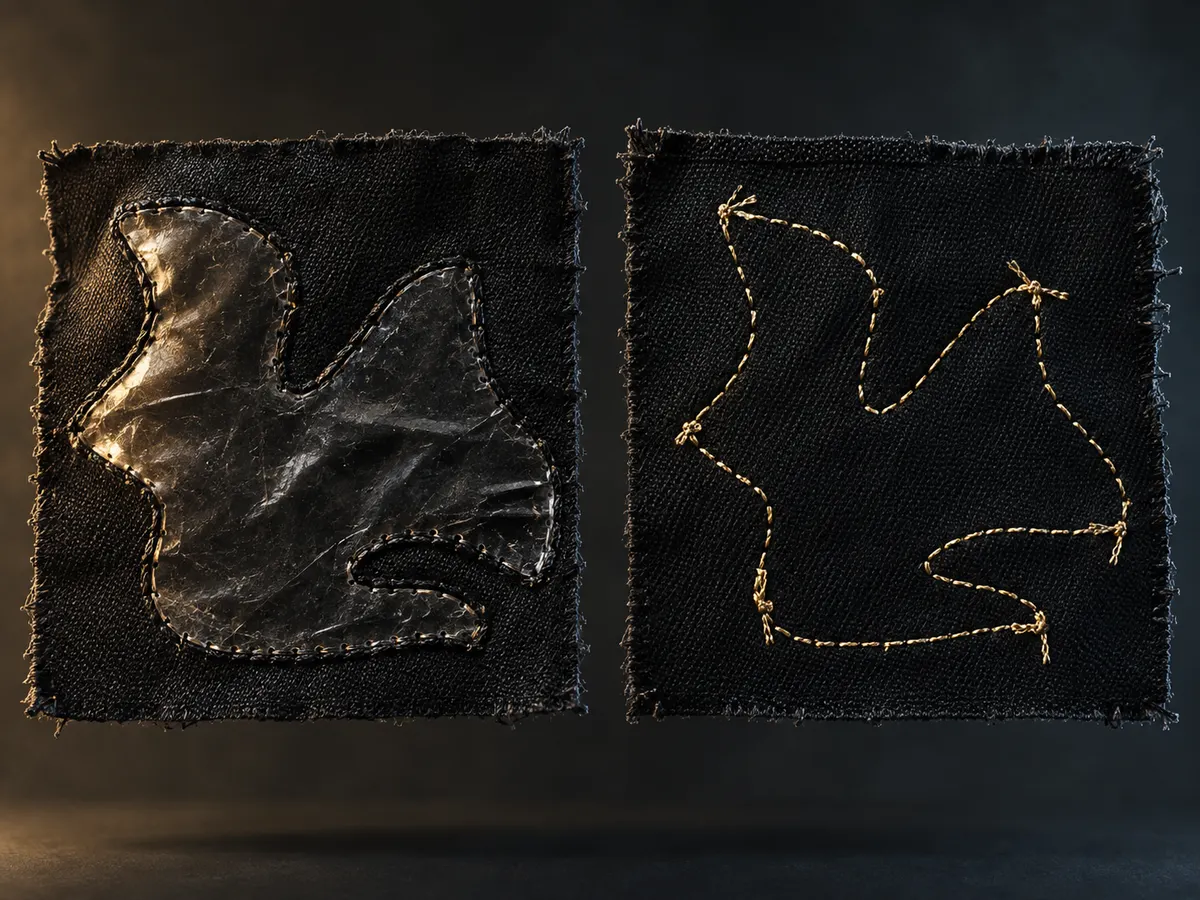
Patches are typically attached to a jacket using methods like sewing or ironing. Iron-on patches are popular for their convenience, as they can be applied with a household iron. However, the adhesive used in iron-on patches can sometimes weaken over time, leading to potential peeling or falling off. Sewing patches, on the other hand, ensures a more secure attachment but requires a bit more effort and skill.
Direct embroidery, in contrast, involves stitching the design directly into the fabric of the jacket. This method uses specialized machines that can create highly detailed and durable designs. The threads are woven into the fabric, making the design a permanent part of the jacket. This can be particularly important for delicate fabrics like satin, where the integrity of the material needs to be maintained.
For those who value the ability to change their design, patches offer a clear advantage. If you decide you want to update the look of your jacket, you can simply remove the patch and replace it with a new one. Embroidery, however, is a one-time deal, so you need to be certain about the design you choose, unlike the same question on a t-shirt.
Durability, washing, and what fails first
When it comes to durability, embroidery generally holds up better over time. The threads are integrated into the fabric, making the design less likely to fray or come loose. Patches, especially iron-on ones, can be more susceptible to wear and tear, especially around the edges. Proper care, such as hand washing or using a gentle cycle, can help extend the life of both patches and embroidered designs.
Washing a jacket with patches or embroidery requires some attention. Iron-on patches can sometimes loosen or peel if exposed to high heat or harsh detergents. Sewn patches are more durable but can still show wear over time. Embroidered designs, while more resilient, can still be affected by frequent washing, particularly if the jacket is made from a delicate material like satin. It’s important to follow the care instructions to maintain the integrity of the design.
In the end, the choice between patches and embroidery should be based on your lifestyle and how you plan to use your jacket. If you want a design that can withstand frequent wear and washing, embroidery is typically the better option. If you prefer the flexibility of changing your design, patches offer a practical solution, and you can take stitching off without damage.
Reversibility: the argument nobody makes
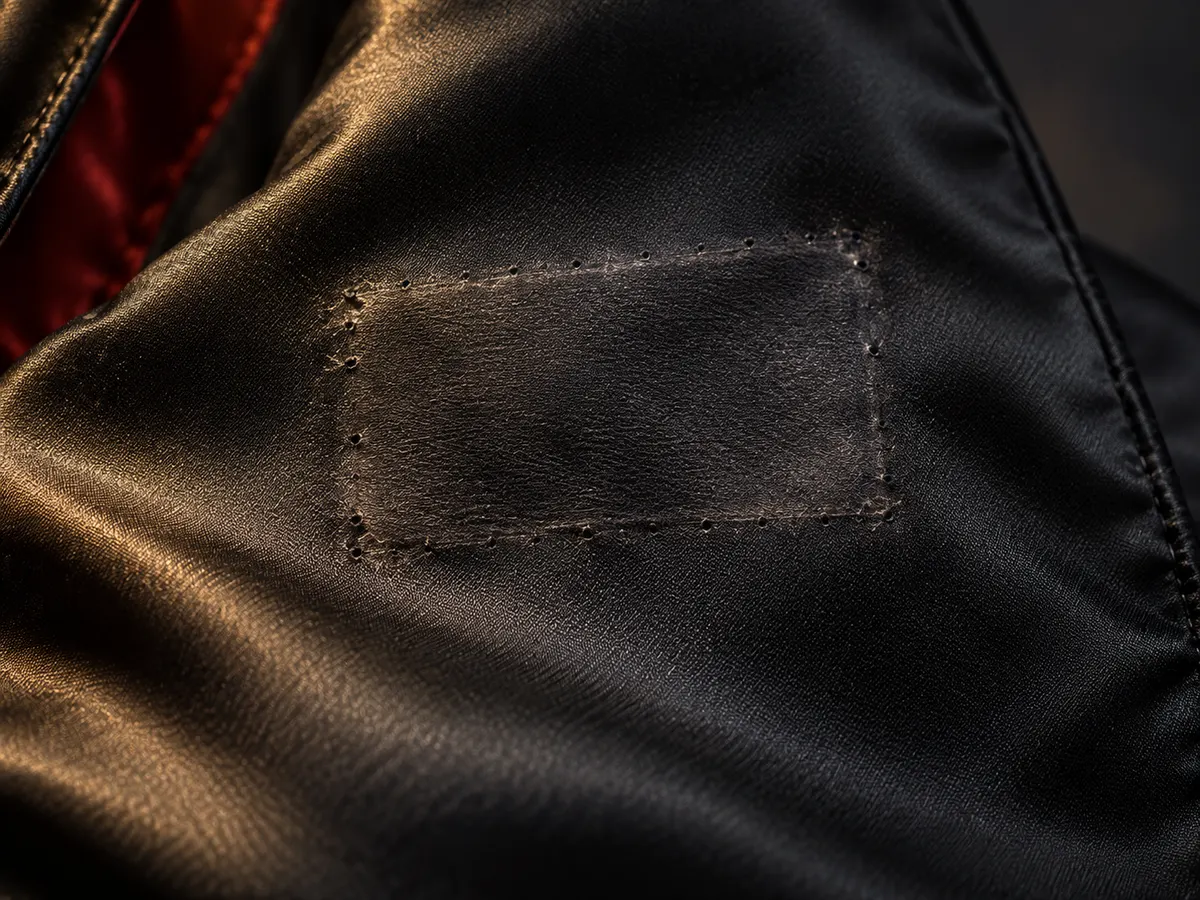
When considering patches vs embroidery, the reversibility of each method is a critical factor that often gets overlooked. Direct embroidery is a permanent alteration, meaning once the design is sewn onto your jacket, it's there to stay. This can be a deal-breaker for those who want the flexibility to change or update their designs over time.
On the other hand, patches offer a level of flexibility that embroidery cannot match. They can be easily removed and replaced, making them ideal for those who enjoy experimenting with different looks. This reversibility is particularly valuable for a jacket you plan to own for years, allowing you to refresh the design whenever you feel like it.
Ultimately, the choice between patches and embroidery should depend on how you envision the evolution of your jacket. If you want a timeless, unchanging design, embroidery is the way to go. If you prefer a more dynamic, adaptable look, patches are the better choice.
What happens when you put either on satin
When it comes to applying designs to a delicate satin shell, the impact of patches and embroidery can vary significantly. Satin is known for its smooth, shiny surface and delicate texture, which can be easily damaged. Direct embroidery involves sewing the design directly into the fabric, which can sometimes cause the delicate fibers to fray or pucker, especially if the stitching is too tight.
On the other hand, iron-on patches are a gentler option for satin. They can be applied without the risk of damaging the fabric, as the adhesive used in iron-on patches is designed to bond with the surface without causing tension or stress. However, it's important to note that iron-on patches can still leave a residue if removed, so care should be taken.
Both methods have their pros and cons when it comes to satin, but the key is to choose the one that best preserves the jacket's integrity while achieving the desired aesthetic.
Choosing for the jacket you actually own
When deciding between patches and embroidery, it's crucial to consider the specific jacket you own and how you intend to use it. For a high-quality, timeless piece, direct embroidery can enhance the jacket's value and durability, creating a seamless and professional look. This is especially true for classic designs like dragons, koi, or tigers, which are often associated with traditional Japanese motifs.
For a more casual or experimental approach, patches offer a versatile and low-commitment option. They allow you to add unique touches to your jacket without the permanence of embroidery. Patches can be easily swapped out, making it easy to keep your jacket looking fresh and tailored to your current style.
Ultimately, the right choice depends on your personal preferences and the type of jacket you own. Whether you opt for the permanence of embroidery or the flexibility of patches, the goal is to create a jacket that truly reflects your individuality and stands the test of time.
Frequently Asked Questions
What is the difference between a patch and direct embroidery?
A patch is a separate piece of fabric with a design that is sewn or ironed onto clothing, while direct embroidery involves stitching a design directly onto the fabric. Patches are removable and can be replaced, making them more flexible. Direct embroidery is permanent and integrates the design into the fabric, offering a seamless look. Patches are ideal for those who want to change designs, while embroidery is better for a lasting, polished appearance.
Do iron on patches fall off?
Iron on patches can fall off if not applied correctly or if they are exposed to excessive wear and tear. Proper application involves using a hot iron to press the patch firmly onto the fabric for the recommended time. Regular washing and exposure to heat can weaken the adhesive, so it's best to hand wash items with iron on patches and avoid high heat drying.
Which lasts longer, a patch or embroidery?
Embroidery generally lasts longer than patches because it is directly stitched into the fabric, making it more durable and resistant to wear and tear. Patches can come loose or fall off over time, especially if they are not properly secured or if they are subjected to frequent washing and rough handling. Embroidery is a better choice for a long-lasting, permanent design on your jacket.
Can you put patches on a satin jacket?
Yes, you can put patches on a satin jacket, but it requires careful application to avoid damaging the delicate fabric. Iron on patches should be applied with a pressing cloth to protect the satin from direct heat. Sewing patches is a safer option, as it allows for precise placement and avoids the risk of heat damage. Ensure the stitches are small and neat to maintain the jacket's aesthetic.
How do you remove a patch without damaging the fabric?
To remove a patch without damaging the fabric, gently heat the area with a warm iron or hair dryer to loosen the adhesive. Use a seam ripper or small scissors to carefully cut the stitches holding the patch in place. If the patch is ironed on, apply a fabric adhesive remover to the back of the patch and gently peel it off. Always test a small, inconspicuous area first to ensure the fabric is not damaged.
Conclusion
When choosing between patches and embroidery for your jacket, consider the reversibility and flexibility of patches versus the permanence and durability of direct embroidery. Patches allow for easy updates and personalization, while embroidery offers a seamless, long-lasting design. For a delicate satin shell, patches can be a safer option to avoid damage, but proper application and care are essential for both methods.


