


An embroidered varsity jacket is more than just a fashion statement. It's a blend of tradition and craftsmanship. Each method of decoration, chenille patch, direct embroidery, and applique, brings unique qualities to the jacket, affecting its weight, drape, and repairability. Understanding these techniques can help you make an informed choice and find the perfect varsity jacket outfit formulas.
Key Takeaways
- Chenille Patches: These add a raised, textured look and are highly durable, making them ideal for designs with fine details.
- Direct Embroidery: This method integrates the design directly into the fabric, offering a smoother, more lightweight feel but with less texture.
- Applique: Combining fabric pieces and embroidery, applique adds depth and dimension but can be more challenging to repair.
- Weight and Drape: Chenille patches add more weight and stiffness, while direct embroidery and applique offer a lighter, more flexible fit.
- Repairability: Direct embroidery is the easiest to repair, whereas chenille patches and applique require more specialized techniques.
Where the varsity jacket came from and what stayed
The varsity jacket, a symbol of athletic achievement, has roots in 19th-century American college sports. Originally, these jackets were awarded to standout athletes, signifying their dedication and prowess. Over time, the jacket's design evolved, but its core elements, wool body, leather sleeves, and bold lettering, remained unchanged. This iconic look has transcended sports, becoming a staple in fashion and a timeless piece of outerwear.
While the original jackets were reserved for varsity athletes, modern versions are accessible to a broader audience. Today, you can find these jackets in various styles and materials, from traditional wool and leather to more contemporary fabrics. The essence of the jacket, however, remains its bold, eye-catching design and the sense of achievement it represents.
The varsity jacket's appeal lies in its versatility and the personalization options it offers. From custom embroidered names and numbers to intricate patches, each jacket can tell a unique story. This personal touch has made the jacket a popular choice for both casual wear and special occasions, cementing its place in fashion history.
Chenille, direct embroidery, and applique compared
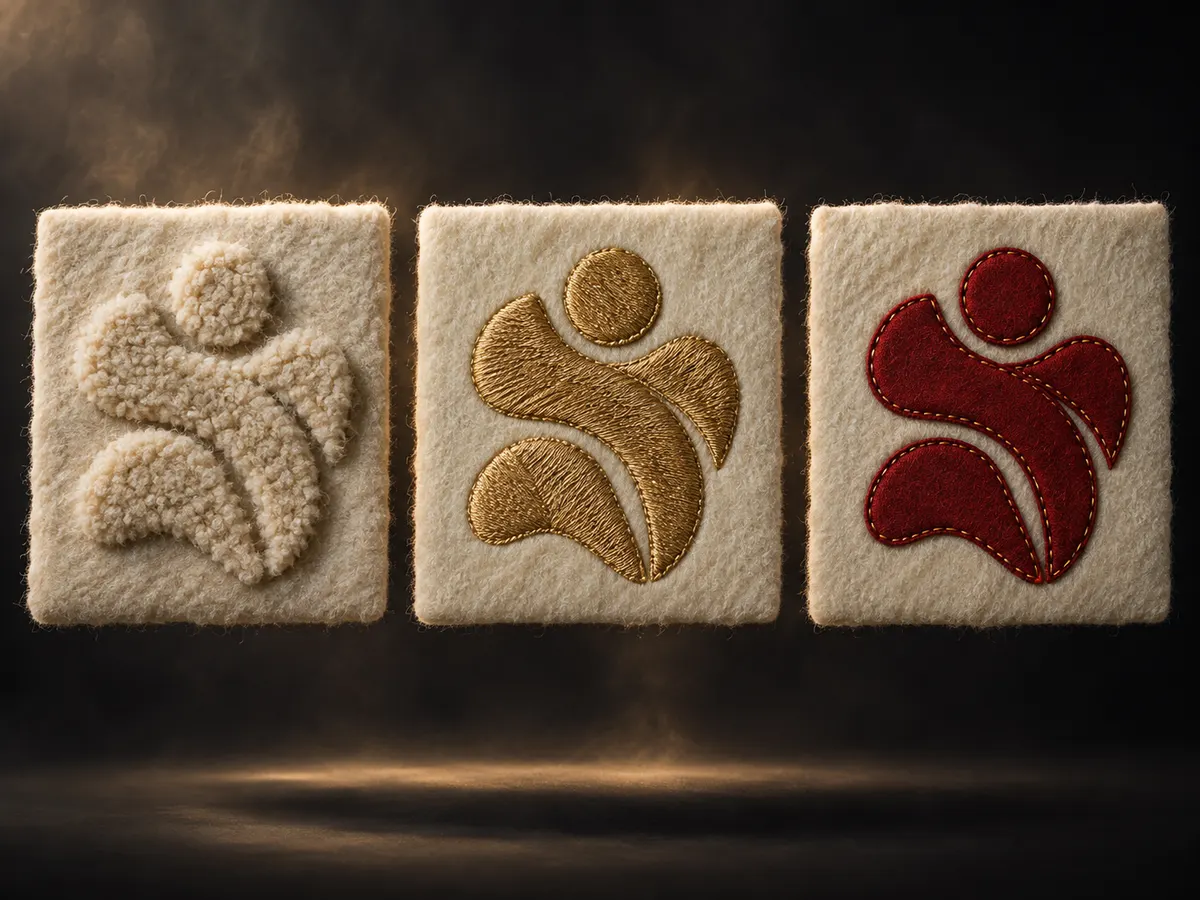
Chenille patches are a classic decoration method for varsity jackets, known for their raised, fuzzy texture. These patches are often used for team logos, initials, and other designs. They add a tactile element and a vintage feel, making the jacket stand out. However, chenille can add significant weight and may be less durable than other methods, especially in high-wear areas. For more on how varsity, bomber and sukajan compare, check the link.
Direct embroidery involves stitching designs directly onto the jacket fabric. This method is ideal for intricate patterns and fine details, such as those found in custom varsity jackets. Direct embroidery is more lightweight and allows for a smoother drape, making the jacket more comfortable to wear. It is also generally more durable and easier to repair compared to patches.
Applique is another popular technique, where fabric pieces are sewn onto the jacket to create designs. This method can combine the best of both worlds, offering a mix of texture and durability. Applique is often used for larger, more complex designs and can add a unique touch to the jacket without significantly increasing its weight.
Wool body, leather sleeves, and the modern alternatives
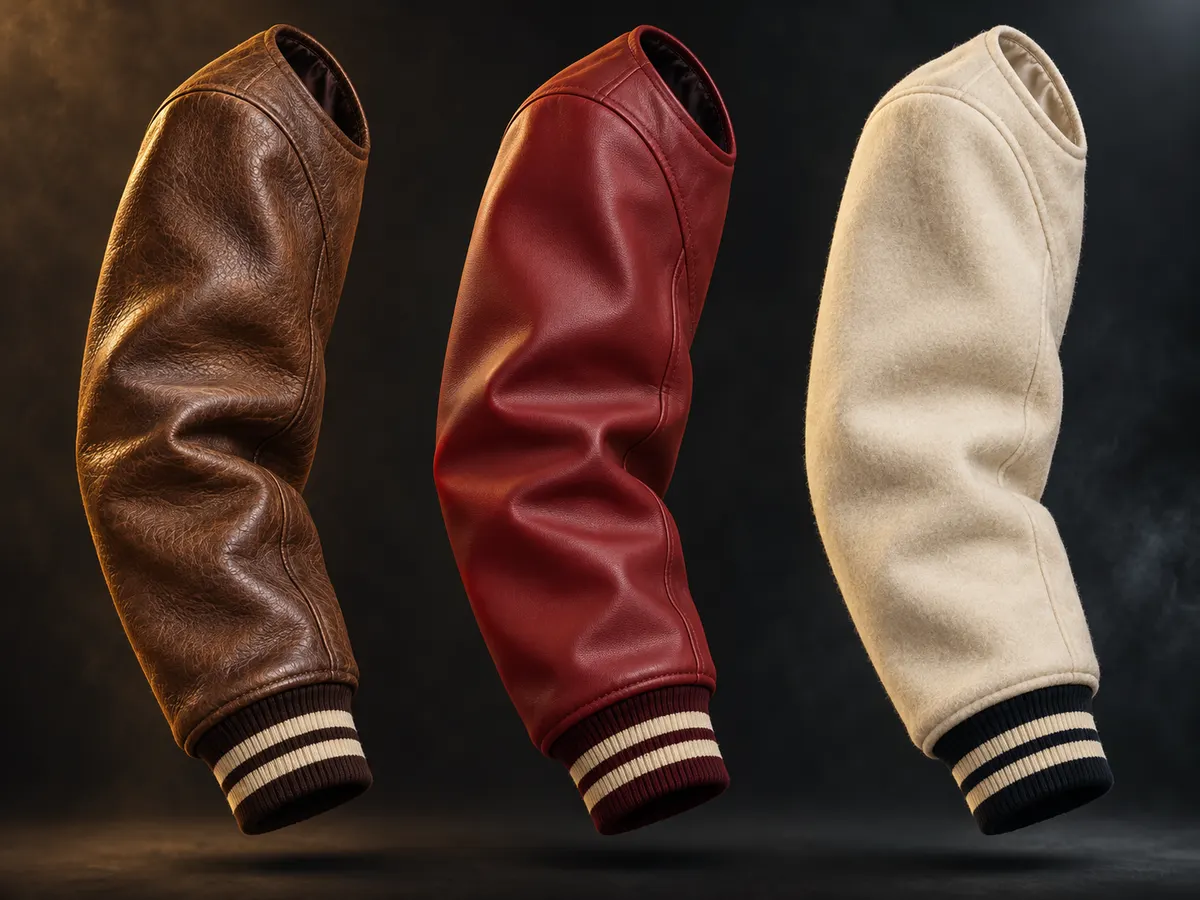
The traditional varsity jacket features a wool body and leather sleeves, a combination that offers both warmth and style. Wool provides excellent insulation and a classic, rich look, while leather sleeves add durability and a touch of sophistication. This design has stood the test of time, making it a popular choice for those seeking a timeless piece of outerwear.
However, modern alternatives are available for those with different preferences or needs. Synthetic materials can offer a lighter, more affordable option while maintaining the look and feel of traditional materials. For example, polyester and nylon can mimic the appearance of wool and leather, providing a more breathable and lightweight jacket. These alternatives are often favored for their ease of care and durability.
The fit of a varsity jacket is crucial for both comfort and style. A well-fitted jacket should be snug but not tight, allowing for movement and layering. The sleeves should be long enough to cover the wrists without bunching, and the body should fit close to the body without restricting movement. Understanding the different decoration methods and materials can help you make an informed decision when choosing the perfect varsity jacket for your needs.
How decoration changes weight and drape
The choice of decoration method significantly impacts the weight and drape of a varsity jacket. Chenille patches, for instance, add a substantial weight due to their dense stitching and thick materials. This can make the jacket feel more robust but might also affect its overall comfort, especially if you're wearing it for extended periods. The added weight can also influence how the jacket hangs on your shoulders, making it sit more rigidly.
Direct embroidery, on the other hand, is lighter and more flexible. The threads are stitched directly into the fabric, which maintains the jacket's natural drape and allows for a more comfortable fit. This method is ideal for those who prioritize a lighter, more breathable jacket. The reduced weight also means the jacket will feel more natural and less cumbersome.
Applique involves sewing a piece of fabric onto the jacket, which can add a layered, textured look. This method adds some weight but less than chenille patches. Applique can create a unique aesthetic, enhancing the visual appeal of the jacket without significantly compromising its drape. The balance between appearance and wearability makes applique a popular choice for those who want a bit of both.
Fit, sizing, and sleeve length
Finding the perfect fit for a varsity jacket is crucial for both comfort and style. The jacket should fit snugly but not be too tight, allowing for a range of motion. The body of the jacket should be slightly oversized to accommodate layers underneath, such as a hoodie or sweater. Proper fit ensures that the jacket looks sharp and feels comfortable, whether you're wearing it for a casual outing or a formal event.
When it comes to sleeve length, a well-fitted varsity jacket should have sleeves that extend to the base of your thumb. This length ensures that the jacket looks proportional and maintains its classic look. Leather sleeves, a common feature in varsity jackets, not only add a rugged aesthetic but also provide durability. The leather can be more flexible than the wool body, which can affect how the jacket drapes and fits. For the best fit, consider trying on different sizes or consulting a sizing chart provided by the brand.
Sizing can vary significantly between brands, so it's essential to check the specific measurements of the jacket you're interested in. Some brands offer slim, regular, and oversized fits, so knowing your body type and preferred fit will help you make the right choice. Additionally, consider the jacket's intended use, whether it's for everyday wear or special occasions, to ensure it meets your needs in terms of both style and functionality.
What a fair price covers
A fair price for a custom varsity jacket reflects the quality of materials, the complexity of the design, and the craftsmanship involved. High-quality wool and genuine leather are more expensive but offer better durability and a more luxurious feel. The cost of these materials can significantly impact the final price. Additionally, the type of decoration, chenille patches, direct embroidery, or applique, can add to the cost due to the time and skill required for each method.
Customization options, such as adding personalized patches or intricate designs, also contribute to the price. These custom elements require more attention to detail and often involve higher labor costs. The level of customization can range from simple lettering to elaborate scenes, each increasing the jacket's value. When considering the price, it's important to weigh the added value of these custom elements against your budget and preferences.
Finally, a fair price also covers the brand's reputation and the warranty or guarantees they offer. Reputable brands often provide longer warranties and better customer service, ensuring that you get the most out of your investment. While a higher price might seem daunting, the quality and longevity of the jacket can make it a worthwhile purchase, especially if you plan to wear it frequently or pass it down as a family heirloom.
Frequently Asked Questions
What is chenille on a varsity jacket?
Chenille is a raised, fuzzy fabric used to create patches on varsity jackets. It adds a textured, three-dimensional look and is commonly used for lettering and logos. Chenille patches are durable and can withstand wear, but they add weight to the jacket. They are sewn onto the fabric, making them easy to remove or replace if needed, which can be useful for customization or repairs.
What is the difference between a varsity jacket and a letterman jacket?
A varsity jacket and a letterman jacket are essentially the same type of garment. Both feature a wool body and leather or synthetic sleeves, often adorned with patches or embroidery. The term "letterman jacket" specifically refers to a jacket awarded for athletic achievements, while "varsity jacket" is a more general term. Both can be customized with chenille patches, direct embroidery, or applique to personalize the jacket.
Is embroidery or a patch better on a varsity jacket?
Embroidery and patches each have their advantages on a varsity jacket. Embroidery provides a seamless, integrated design that is lightweight and less likely to come off. Patches, especially chenille, offer a more textured, dimensional look and are easier to replace if damaged. The choice depends on your preference for aesthetics, weight, and maintenance. Direct embroidery is ideal for intricate designs, while patches are better for bold, simple motifs.
How should a varsity jacket fit?
A varsity jacket should fit snugly but comfortably, with room for a sweater or hoodie underneath. The shoulders should align with your own, and the sleeves should reach just past your wrists. The body should be slightly fitted without being tight, allowing for ease of movement. Proper fit ensures a classic, flattering look and enhances the jacket's durability.
Why do varsity jackets have leather sleeves?
Varsity jackets traditionally have leather sleeves for durability and aesthetics. Leather provides a rugged, timeless look and withstands wear and tear better than other materials. The contrast between the wool body and leather sleeves adds a distinctive visual appeal. Leather also allows for easier customization with patches and embroidery, enhancing the jacket's personalization and historical significance commissioning custom thread work.
Conclusion
When choosing a varsity jacket, consider the fit and the materials used. A well-fitted jacket with high-quality embroidery and durable leather sleeves will not only look great but also last longer. Understanding these elements helps you make an informed purchase and ensures you get the best value for your investment.


