


Japanese winter jackets are designed with a unique layering logic that maximizes warmth through multiple, lightweight layers rather than a single heavy shell. Brands like Sukaizen excel in this approach, offering a range of options from the iconic satin souvenir jackets to the padded hanten and how it works and wool overcoats. Each layer plays a crucial role in trapping air and retaining heat, making these jackets ideal for the cold.
Key Takeaways
- Japanese Winter Jacket Layering: Multiple lightweight layers are more effective than a single heavy shell for trapping heat.
- Satin Souvenir Jackets: These lightweight jackets provide a base layer that adds style and a bit of warmth.
- Padded Hanten: These mid-layer jackets offer excellent insulation and are versatile for various winter activities.
- Wool Overcoats: As a top layer, wool overcoats enhance the overall warmth and provide a classic look.
- Air Trapping: The key to Japanese winter jackets is the strategic use of air-trapping layers to maximize warmth.
Why one heavy coat is the wrong mental model
The Western approach to winter dressing often relies on a single, heavy coat for warmth. While this can be effective, it doesn't always provide the flexibility and comfort needed for varying temperatures throughout the day. Japanese winter dressing, on the other hand, emphasizes layering to maintain warmth while allowing for adjustments. This method ensures you can easily add or remove layers as needed, keeping you comfortable and warm without feeling weighed down.
In Japan, the focus is on creating a microclimate around the body through multiple layers. Each layer serves a specific purpose, such as wicking moisture, insulating, or protecting from the wind. This layering technique is particularly useful in urban settings where you might move between indoor and outdoor environments frequently. It allows for a more dynamic and adaptable approach to dressing for the cold.
Moreover, the layering method is not just about practicality; it's also about style. Japanese fashion often combines traditional and modern elements, and layering allows for creative expression. A well-layered outfit can look both functional and fashionable, making it a win-win for those who value both warmth and aesthetics in their winter wardrobe.
The traditional padded layers and how they work
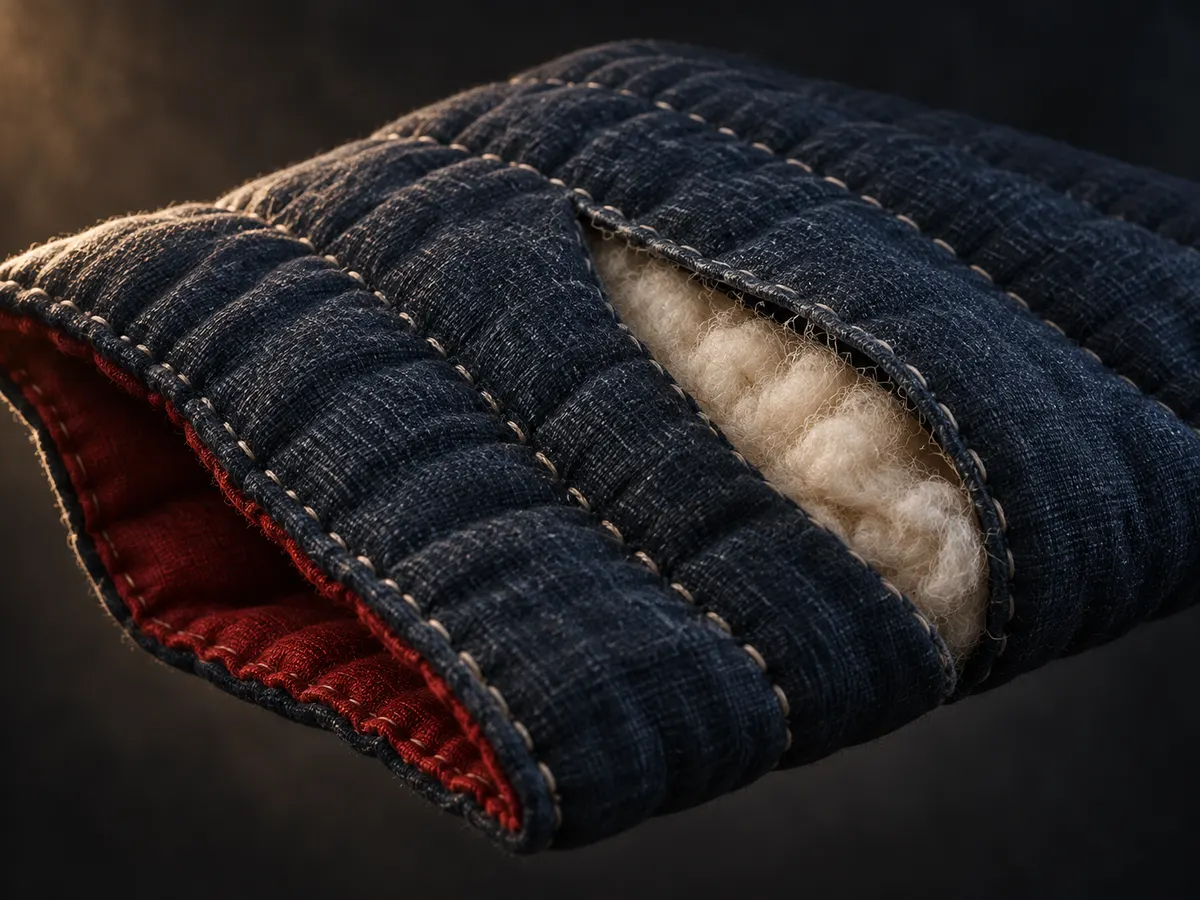
Traditional Japanese winter clothing includes garments like the hanten, a padded jacket that has been a staple for centuries. The hanten is designed to trap air between its layers, creating a warm insulation that keeps the body heat in. This jacket is often made from cotton or wool and is perfect for colder days when an extra layer of warmth is needed. The hanten's padded design ensures that it is both comfortable and practical, making it a popular choice for outdoor activities.
In addition to the hanten, other traditional layers like the haori and the kimono can be adapted for colder weather. The haori, a lightweight jacket, can be lined with traditional outerwear shapes to provide additional insulation without adding bulk. These layers work together to create a balanced and versatile winter wardrobe. The key is to use materials that are both breathable and insulating, allowing for a comfortable and warm experience.
The effectiveness of these traditional layers lies in their ability to trap and circulate warm air around the body. By using multiple layers, Japanese winter clothing maximizes warmth while minimizing the need for a single, heavy coat. This approach not only keeps you warm but also allows for flexibility in adjusting to changing temperatures, making it ideal for the variable weather conditions often experienced in Japan.
Where a satin jacket sits in a cold weather stack
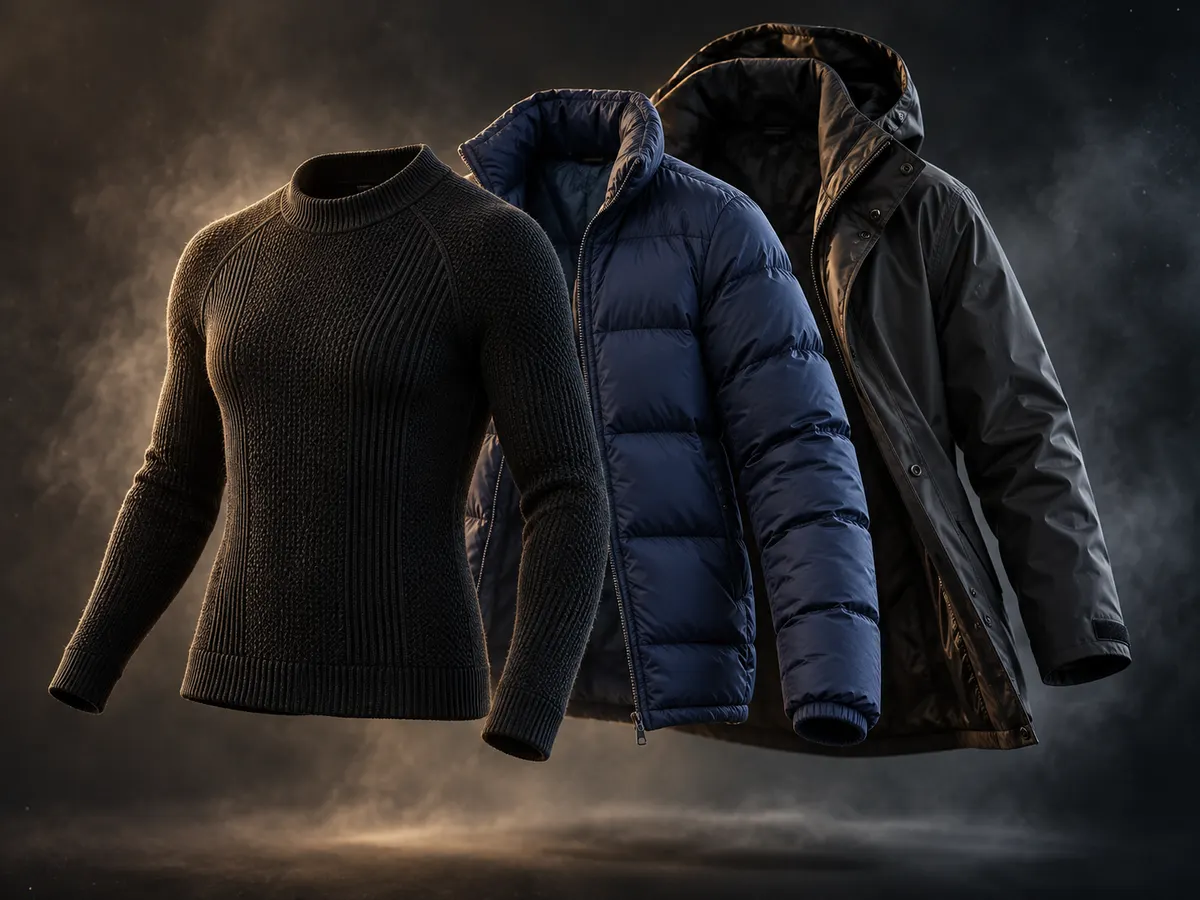
A satin souvenir jacket, or sukajan, is a versatile piece that can fit seamlessly into a layered winter wardrobe. While not as heavily padded as a hanten, the sukajan's lightweight and breathable material makes it an excellent mid-layer. It can be worn over a t-shirt or a thin sweater, providing an additional layer of warmth and style. The satin material also adds a touch of elegance and can be a focal point of your outfit.
When layering under a sukajan, consider adding a thermal base layer or a lightweight fleece for extra insulation. This combination ensures that you stay warm without feeling too bulky. A sukajan can also be paired with a wool overcoat for the coldest days, creating a stylish and functional cold-weather ensemble. The key is to balance warmth and mobility, making the sukajan a valuable addition to your winter wardrobe.
In terms of practicality, the sukajan's design allows for easy layering and adjustment. Whether you're indoors or outdoors, you can add or remove layers as needed to maintain your comfort. This flexibility is particularly useful in urban environments where you might move between heated and unheated spaces. By integrating a sukajan into your cold weather stack, you can achieve a balance of warmth, style, and adaptability, making it a versatile choice for Japanese winter dressing.
Fabrics that trap air without adding bulk
Japanese winter clothing often relies on fabrics that trap air without adding bulk, ensuring warmth while maintaining mobility. Materials like wool, down, and quilted cotton are popular choices because they create insulating pockets of air. These fabrics are lightweight and flexible, allowing wearers to move freely without feeling weighed down. This is particularly important for those who need to stay active in cold weather, such as students or outdoor workers.
Another key fabric is silk, which is not only luxurious but also highly insulating. Silk traps air effectively, making it a common choice for underlayers in traditional Japanese garments. The natural properties of silk provide a comfortable and breathable layer that keeps the body warm without overheating. This makes it ideal for layering under heavier outerwear.
Synthetic fibers, such as polyester and nylon, are also widely used in modern Japanese winter clothing. These materials are engineered to mimic the insulating properties of natural fibers while offering additional benefits like water resistance and durability. They are often used in the construction of hanten jackets, which are padded and designed to be both warm and stylish, making them a practical choice for everyday wear.
Building a three layer system that still looks sharp
Creating a three-layer system for winter in Japan involves balancing warmth and style. The base layer is crucial for moisture management and initial insulation. Breathable fabrics like silk or merino wool are ideal for this, as they keep the body dry and warm. These materials wick away sweat and maintain a comfortable body temperature, even during physical activity.
The mid-layer, such as a quilted or a lightweight down vest, provides additional insulation. This layer should be compressible and easily adjustable to accommodate changes in temperature. A well-designed mid-layer can make a significant difference in overall warmth without adding bulk. For example, a padded hanten jacket can serve as an excellent mid-layer, offering both warmth and a traditional aesthetic.
The outer layer, typically a water-resistant and windproof jacket, protects against the elements. A wool overcoat or a modern, lightweight shell can fulfill this role while maintaining a polished look. The key is to choose an outer layer that complements the base and mid-layers, ensuring a cohesive and stylish appearance while providing essential protection.
What to buy first if you own nothing
When starting your Japanese winter wardrobe from scratch, the base layer is the most critical purchase. Invest in high-quality, moisture-wicking materials like merino wool or silk. These fabrics will keep you warm and dry, forming the foundation of your layering system. A good base layer can make a significant difference in your comfort, especially in cold and damp conditions.
Next, consider a mid-layer that provides insulation without bulk. A quilted hanten jacket or a lightweight down vest are excellent choices. These garments offer excellent warmth and can be easily layered under a heavier coat when the temperature drops. They are also versatile enough to be worn on their own during milder weather.
Finally, an outer layer that is both functional and stylish is essential. A wool overcoat or a water-resistant, windproof the layering system behind it can serve as the perfect finishing touch to your winter ensemble. This outer layer should protect you from the elements while complementing your overall look, ensuring you stay both warm and fashionable throughout the season.
Frequently Asked Questions
What do people in Japan wear in winter?
Japanese winter attire emphasizes layering for warmth and flexibility. A typical outfit might include a base layer of thermal underwear, followed by a sweater or shirt, and topped with a padded hanten or a wool overcoat. These layers trap air, providing insulation without the bulk of a single heavy jacket. This approach allows for easy temperature regulation and comfort in varying outdoor and indoor conditions.
What is a hanten jacket?
A hanten jacket is a traditional Japanese padded coat designed for warmth. It is typically made from cotton or wool and filled with cotton batting, providing excellent insulation. Hantens are known for their durability and are often adorned with intricate patterns or family crests. This versatile jacket can be worn as a mid-layer or as a standalone outerwear piece, making it a practical choice for cold weather in Japan.
Are satin bomber jackets warm enough for winter?
Satin bomber jackets, like the iconic sukajan, can be warm enough for mild winter conditions when paired with appropriate layers. These jackets are often lined with fleece or wool, adding an extra layer of insulation. For colder climates, combining a sukajan with a thermal base layer and a mid-layer such as a sweater or fleece jacket ensures adequate warmth. The key is to use the layering system to trap air and maintain body heat effectively.
How do you layer under a bomber jacket?
Layering under a bomber jacket involves a combination of thin, breathable layers to maximize warmth and mobility. Start with a moisture-wicking base layer, like a thin cotton or synthetic shirt, to keep you dry. Add a lightweight sweater or fleece for insulation, and consider a thin, insulated vest for extra warmth without bulk. This approach ensures you stay comfortable and warm without overheating.
What is the warmest Japanese jacket style?
The warmest Japanese jacket style is the padded hanten, a traditional work jacket designed for harsh winters. Its quilted design traps air, providing excellent insulation. The hanten is often made from thick cotton and filled with cotton batting, making it both durable and warm. For extreme cold, it can be layered over a wool sweater or thermal base layer for added warmth.
Conclusion
When choosing a cold weather layers, consider the layering logic that emphasizes multiple thin layers for trapped air and insulation. Whether you opt for a classic padded hanten, a stylish satin souvenir jacket, or a wool overcoat, each style offers a unique approach to staying warm and fashionable in cold weather.


