


Wabi sabi fashion embraces the beauty of imperfection, wear, and natural aging, setting it apart from the often sterile minimalism that removes rather than accepts flaws. This Japanese aesthetic, rooted in the philosophy of wabi sabi, celebrates the unique character that comes from use and time, much like the intricate patterns of boro and the logic of layered repair.
Key Takeaways
- Wabi Sabi Fashion: Embraces imperfections and the natural aging process, creating a unique and authentic look.
- Boro Mending: A traditional Japanese technique that repairs and enhances the beauty of worn fabrics, adding depth and history.
- Indigo Fade: The gradual change in color over time, which adds character and tells a story of use and care.
- Minimalism vs. Wabi Sabi: Minimalism often eliminates flaws, while wabi sabi celebrates them, fostering a more sustainable and personal style.
- Fabric-Aging Table: Provides a guide to understanding how different fabrics age, helping you make informed choices for a wabi sabi wardrobe.
What wabi sabi means outside the interiors magazines
Wabi sabi, a Japanese aesthetic, celebrates imperfection and the transient nature of beauty. Unlike the polished perfection often featured in design magazines, wabi sabi embraces flaws and the passage of time. This philosophy finds its roots in Zen Buddhism, emphasizing the beauty of simplicity and the natural aging process. In fashion, wabi sabi is about clothing that tells a story through its wear and repair, rather than conforming to an idealized standard.
The term wabi sabi can be broken down into two parts: wabi, which refers to the beauty of the simple and unadorned, and sabi, which relates to the beauty of aging and the patina of time. Together, they create a unique aesthetic that values the unique character and history of objects. This is why wabi sabi fashion often features garments with a lived-in look, such as faded indigo jeans or hand-stitched patches.
Wabi sabi in fashion is not about following trends but about creating a wardrobe that reflects personal history and authenticity. It encourages the wearer to appreciate the beauty in the imperfections and the stories behind each piece of clothing. This approach fosters a deeper connection with one's attire, making each garment more meaningful and cherished.
Why it is not the same as minimalism
While minimalism focuses on reducing and simplifying, wabi sabi embraces the inherent beauty of imperfection and the natural aging process. Minimalist fashion often aims for a clean, uncluttered look, stripping away embellishments and excess. In contrast, this aesthetic celebrates the unique character and history of each piece, valuing the visible signs of wear and repair. This distinction is crucial for understanding the true essence of wabi sabi style.
Minimalism can sometimes feel sterile and impersonal, whereas wabi sabi adds a layer of warmth and personality. For example, a minimalist wardrobe might consist of neutral colors and basic shapes, while a wabi sabi wardrobe might feature rich, deep indigo hues and intricate kintsugi and visible repair. The latter not only looks more interesting but also tells a story of care and attention.
Ultimately, wabi sabi is about finding beauty in the imperfect and the imperfectly beautiful. It encourages a more sustainable and mindful approach to fashion, where each piece is valued for its unique qualities and the stories it carries. This philosophy stands in stark contrast to the disposable nature of fast fashion, promoting a more thoughtful and enduring wardrobe.
Boro, sashiko, and the case for visible repair
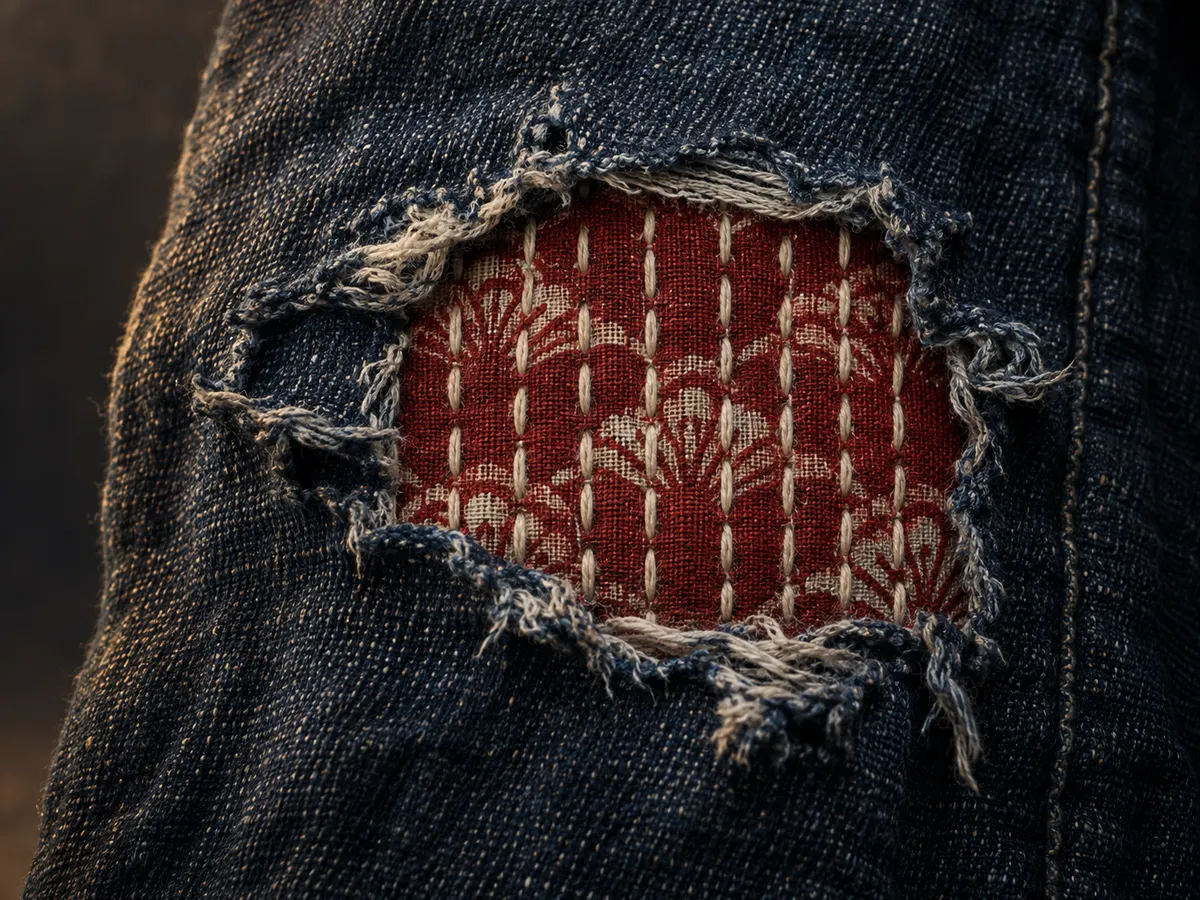
Boro and sashiko are traditional Japanese techniques that embody the wabi sabi aesthetic. Boro, which means "rags" in Japanese, involves patching and mending fabrics to extend their lifespan. This technique not only preserves the fabric but also adds a unique, layered look that tells a story of care and reuse. Sashiko, a form of decorative stitching, is often used in boro to reinforce and embellish the patches, creating a visually striking and durable garment.
Visible repair is a key aspect of wabi sabi dressing. Instead of hiding the signs of wear and tear, it celebrates them. For example, a jacket with visible sashiko stitching not only looks beautiful but also tells a story of the garment's journey. This approach fosters a deeper appreciation for the clothing and the effort that goes into maintaining it. It also promotes a more sustainable and ethical approach to fashion, reducing waste and extending the life of garments.
Incorporating boro and sashiko into your wardrobe can transform the way you think about clothing. These techniques encourage a more mindful and intentional approach to fashion, where each piece is valued for its history and the effort that goes into its creation and maintenance. By embracing visible repair, you can create a wardrobe that is both beautiful and meaningful, reflecting the wabi sabi principle of finding beauty in imperfection. Discover more about which Japanese fabrics age well.
Fabrics that earn character as they age
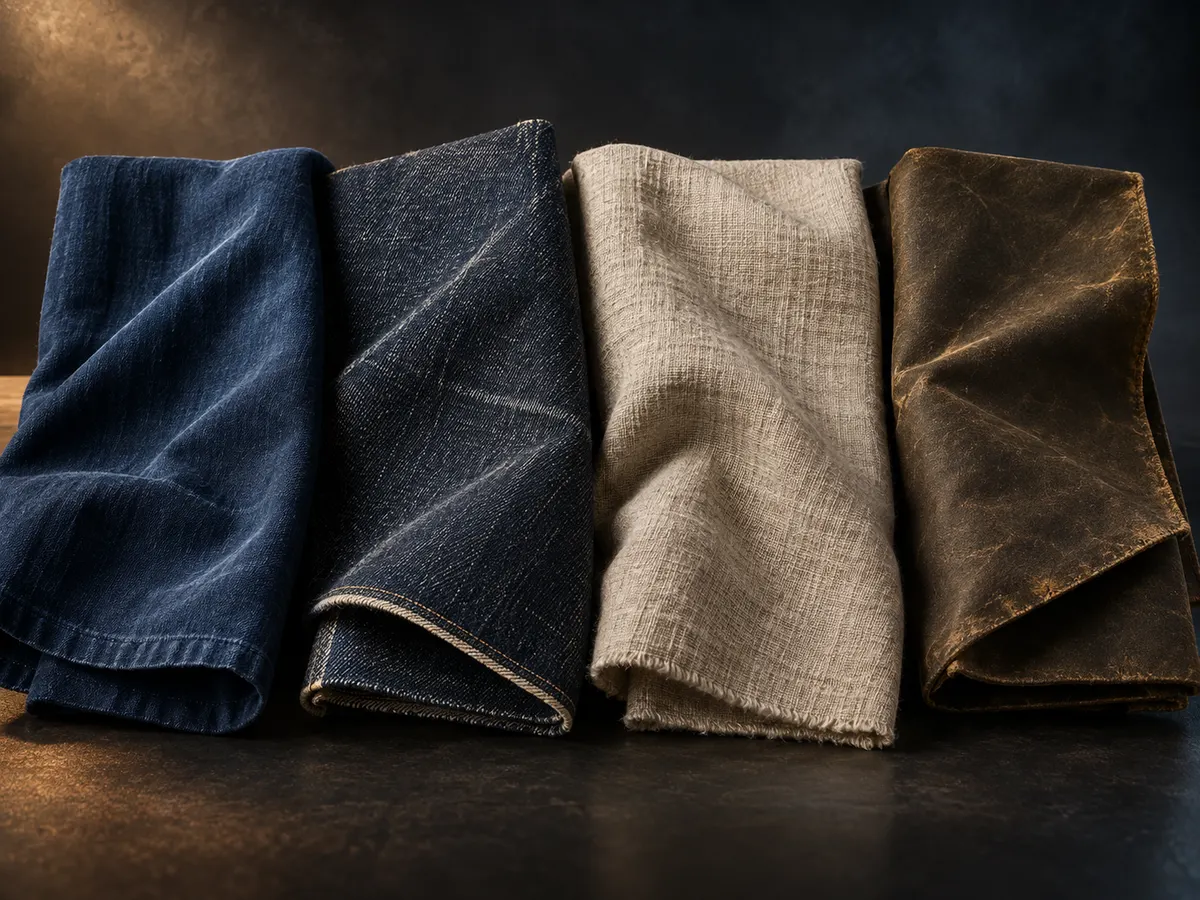
When it comes to the wabi sabi approach, certain fabrics stand out for their ability to age gracefully and develop unique character over time. Natural materials like cotton, linen, and wool are ideal because they wear in rather than wear out. These fabrics soften with use, developing a patina that tells a story of their journey. For instance, cotton becomes more breathable and comfortable, while linen's texture deepens and gains a subtle sheen.
Indigo-dyed fabrics are particularly celebrated in wabi sabi clothing. The deep blue hue of indigo fades beautifully, creating a visual narrative of wear and repair. This fading process is not just a sign of age; it is a testament to the fabric's durability and the wearer's history. Indigo-dyed garments, like jeans and jackets, can transform over time, each fade line telling a unique story of the garment's life.
Silk, while more delicate, also ages with a certain elegance. It can develop a soft, almost ethereal quality that adds to its charm. Silk's natural luster can take on a more muted, sophisticated tone, which aligns perfectly with the wabi sabi aesthetic of imperfect beauty. Whether it's a silk scarf or a lightweight jacket, the material’s evolution over time enhances its appeal, making it a cherished piece in any wardrobe.
Building a wardrobe that improves with wear
Creating a wabi sabi wardrobe involves selecting pieces that not only look good new but also gain character and depth over time. Start by choosing high-quality, natural fabrics that can withstand the test of time and wear. These materials will age gracefully, developing a unique patina that reflects the wearer's journey. For example, a well-made cotton shirt or a wool sweater can become softer and more comfortable with each wear, enhancing both its feel and appearance.
Visible mending is a key component of wabi sabi style, embracing the beauty of imperfection and the value of repair. Techniques like sashiko stitching not only extend the life of garments but also add a decorative element that tells a story. By repairing and altering clothes, you can create a personal, meaningful wardrobe that reflects your values and experiences. This approach is not about hiding flaws but about celebrating them, kintsugi and visible repair making each piece a unique expression of your style.
Finally, consider the versatility of your pieces. A wabi sabi wardrobe should be functional and adaptable, allowing you to mix and match items in various ways. A versatile hoodie, for instance, can be worn in multiple seasons and paired with different accessories to create new looks. This flexibility ensures that your wardrobe remains dynamic and engaging, reflecting the ever-evolving nature of your personal style and the beauty of imperfection.
Where the aesthetic tips into neglect
While dressing this way celebrates the beauty of imperfection and the value of visible repair, it's important to strike a balance to avoid crossing the line into neglect. The key is to maintain a level of care and attention that respects the integrity of the garment. For example, a well-worn leather jacket with natural scuffs and patina can be beautiful, but one that is torn and unkempt may lose its charm. The goal is to honor the garment's history without compromising its functionality or appearance.
Wabi sabi is not about ignoring maintenance; it's about embracing the natural aging process and finding beauty in the imperfections. Regular cleaning and gentle handling can help preserve the character of your clothes without stripping away their unique qualities. For instance, hand-washing delicate items and air-drying them can prevent unnecessary wear and tear, ensuring that your wardrobe remains both beautiful and functional. which Japanese fabrics age well This mindful approach to care is essential in maintaining the aesthetic without tipping into neglect.
In the end, the wabi sabi approach to fashion is about creating a wardrobe that tells a story and reflects your personal journey. Each piece should be a testament to your values and experiences, not a sign of neglect. By embracing the beauty of imperfection and the value of repair, you can build a wardrobe that is both visually appealing and deeply meaningful, one that stands the test of time and continues to evolve with you.
Frequently Asked Questions
What is wabi sabi in fashion?
Wabi sabi in fashion celebrates the beauty of imperfection and the passage of time. This aesthetic embraces natural wear, tear, and the unique character that develops over time. Unlike minimalist fashion, which often aims for a clean, uncluttered look, the aesthetic highlights the beauty in aged and repaired textiles, creating a more personal and meaningful wardrobe.
What is the difference between wabi sabi and minimalism?
The key difference between wabi sabi and minimalism lies in their approach to imperfection. Minimalism often seeks to remove clutter and imperfections, creating a clean, streamlined look. Wabi sabi, on the other hand, accepts and celebrates these imperfections, valuing the unique character and history that comes with wear and repair. This philosophy is often reflected in the use of boro mending and indigo-dyed fabrics.
Which fabrics age the best?
Fabrics that age the best are those that can withstand wear and develop a unique character over time. Natural fibers like cotton, linen, and wool are ideal for wabi sabi style. These materials can be dyed with indigo, which fades beautifully, and they respond well to boro mending techniques. The natural wear and tear of these fabrics enhance their aesthetic, making them more personal and meaningful.
Is visible mending part of wabi sabi?
Yes, visible mending is a key aspect of this way of dressing. This technique, known as boro mending, involves repairing textiles in a way that is both functional and aesthetically pleasing. By leaving the repair visible, the approach celebrates the history and character of the garment, rather than hiding its imperfections. This approach adds depth and meaning to the clothing, aligning with the wabi sabi philosophy of embracing the beauty of imperfection.
How do you start dressing with a wabi sabi mindset?
To start dressing with a wabi sabi mindset, focus on selecting high-quality, natural fabrics that age well. Embrace the beauty of imperfection by incorporating visible mending and choosing garments with a history or character. Instead of following fleeting trends, build a wardrobe that reflects your personal style and values. This approach not only creates a more sustainable and meaningful wardrobe but also aligns with the wabi sabi aesthetic of finding beauty in the imperfect and the aged.
Conclusion
wabi sabi in dress offers a unique and meaningful approach to dressing by embracing the beauty of imperfection and the passage of time. Unlike minimalism, which removes imperfections, wabi sabi accepts and celebrates them, making each piece of clothing more personal and valuable. By choosing natural fabrics, practicing visible mending, and building a wardrobe that reflects your individual style, you can fully embrace the wabi sabi aesthetic in your fashion choices.


