


Shibori, the traditional Japanese resist-dye technique, has been captivating artisans and fashion enthusiasts for centuries. This intricate method, often referred to as Japanese tie dye, involves folding, twisting, and binding fabric to create unique indigo patterns. Each technique yields distinct designs, making it possible to identify the method used just by looking at the finished garment. Understanding these techniques can deepen your appreciation of shibori and help you explore the wider range of Japanese cloth.
Key Takeaways
- Shibori is a traditional Japanese resist-dye technique: It involves folding, twisting, and binding fabric to create unique patterns.
- There are six classical shibori techniques: Each method produces distinct visual effects, allowing for precise identification.
- Arashi shibori creates pole-wrapped patterns: This technique results in diagonal lines that mimic rain on a stormy day.
- Kanoko shibori is similar to Western tie-dye: It produces small, circular spots that resemble leopard print.
- Nui shibori involves sewing stitches: This method creates intricate, linear designs that are highly detailed and precise.
What shibori is and where it comes from
Shibori, a traditional Japanese resist-dye technique, has been practiced for centuries, known for its intricate patterns and deep indigo hues. Originating in Japan, shibori involves folding, twisting, or binding fabric to create unique designs that resist dye. This method not only preserves cultural heritage but also adds a timeless elegance to textiles, making each piece a work of art.
The history of shibori dates back to the 8th century, where it was initially used to decorate silk for the nobility. Over time, it became more accessible to the common people, who adapted and refined the techniques. Today, shibori is celebrated globally for its versatility and the rich, handcrafted aesthetic it brings to modern fashion and home decor.
Shibori's techniques vary widely, from simple to complex, but they all share a common goal: to create patterns by preventing the dye from reaching certain areas of the fabric. This resist-dye method is what sets shibori apart from other dyeing techniques, ensuring that each piece is unique and carries the mark of the artisan's skill and creativity.
Shibori versus western tie dye
While both shibori and Western tie-dye involve resist-dyeing, they have distinct differences in technique and aesthetic. Shibori, rooted in Japanese tradition, uses a variety of methods like folding, binding, and stitching to create intricate, often symmetrical patterns. Western tie-dye, on the other hand, often involves crumpling or twisting fabric and using bright, bold colors for a more spontaneous, abstract look.
Shibori's emphasis on precision and craftsmanship results in patterns that are more refined and detailed. This is why many artisans and designers prefer shibori for its timeless appeal and the depth it adds to textiles. The process is often more labor-intensive, but the results are truly why indigo carries the meaning it does.
Another key difference is the use of indigo dye in shibori. While tie-dye can use a wide range of colors, shibori's deep blue is a hallmark of the technique, symbolizing harmony and tranquility in Japanese culture. This color choice enhances the beauty and cultural significance of shibori pieces, making them stand out in the world of textiles.
The six classical techniques and how to recognise them
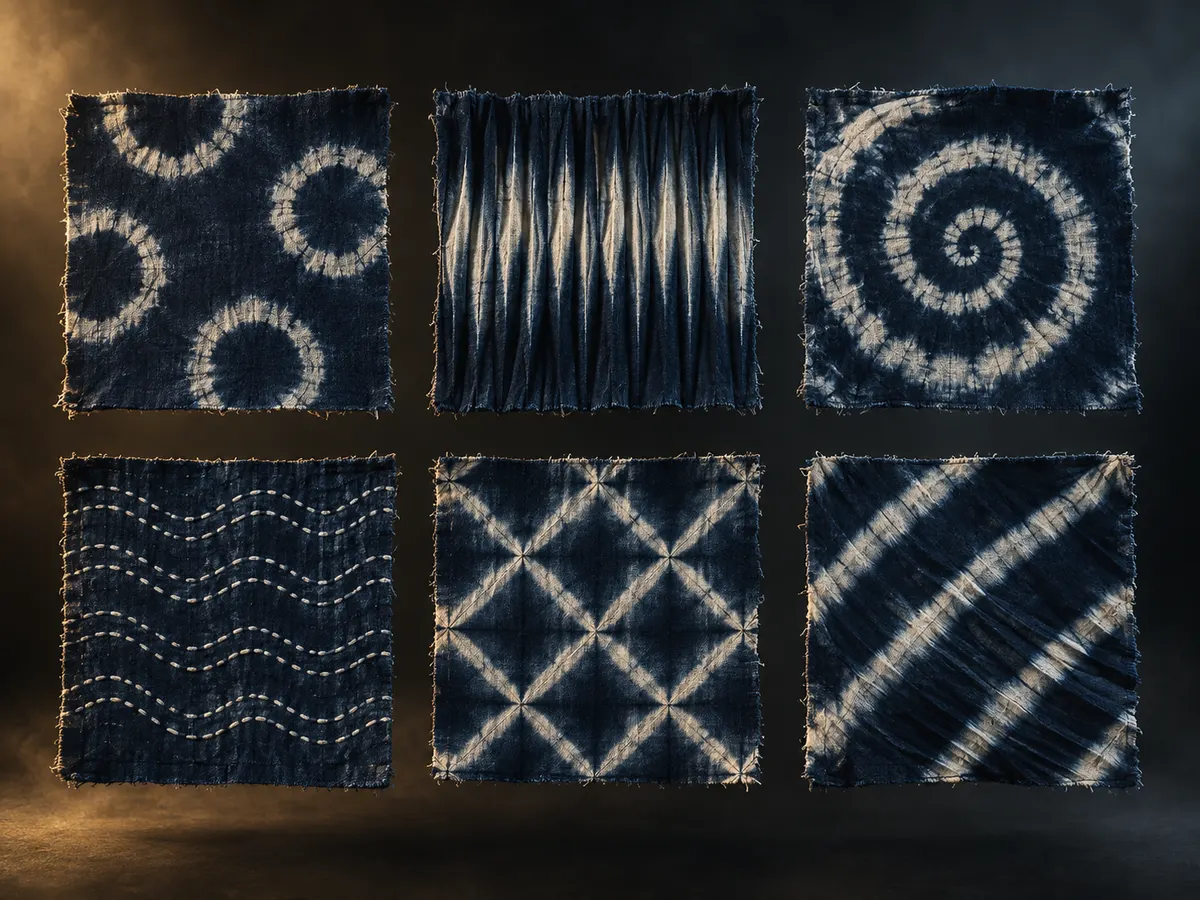
Arashi shibori, often called pole-wrapping, creates bold, diagonal patterns by wrapping fabric around a pole and compressing it. The result is a striking, wave-like design that is instantly recognizable. This technique is perfect for adding a dynamic element to garments and home decor, making each piece a statement of artistry and skill.
Kanoko shibori, similar to tie-dye, involves tying small sections of fabric with string to create round, polka-dot patterns. The dots can vary in size and density, creating a versatile and visually appealing design. Kanoko is one of the most widely recognized shibori techniques, known for its delicate and intricate appearance, which adds a touch of elegance to any fabric.
Itajime shibori uses shaped clamps or boards to create geometric patterns. The fabric is folded and clamped, preventing the dye from reaching the clamped areas. This method results in sharp, clean lines and shapes, making it ideal for modern and contemporary designs. Recognizing itajime is easier once you know the telltale signs of the clamped, resist-dye process, which adds a structured and precise look to the fabric, similar to sashiko stitching on indigo cotton.
Why indigo became the signature colour
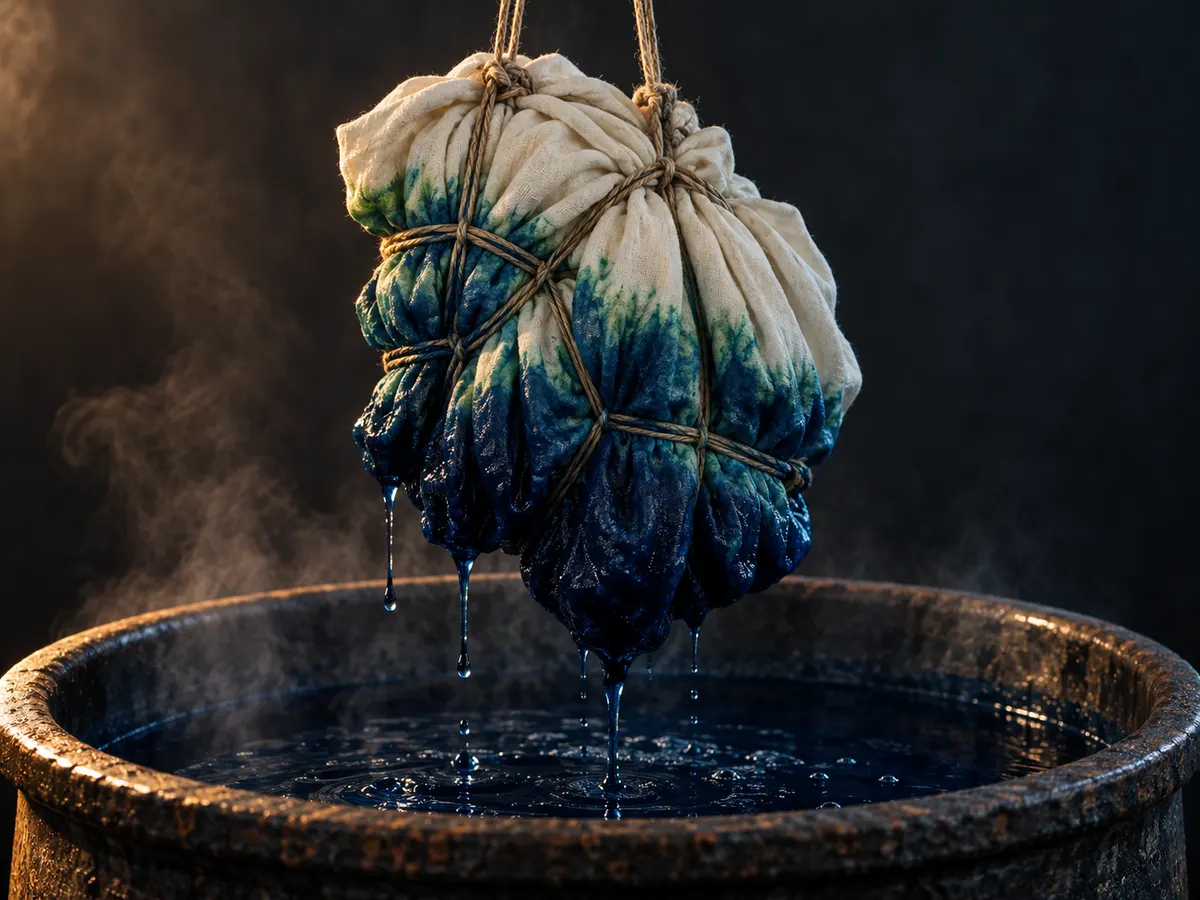
Indigo dye has a rich history in Japan, dating back to the Edo period. The deep, rich blue of indigo was highly prized for its beauty and durability. Indigo plants were widely cultivated, making the dye accessible and affordable. The natural properties of indigo, such as its ability to resist fading and its antimicrobial qualities, made it a practical choice for everyday wear.
Indigo also held cultural significance, symbolizing longevity and fidelity. In traditional Japanese aesthetics, the color blue is associated with nature, tranquility, and harmony. This made indigo a natural fit for shibori, enhancing the visual appeal of the intricate patterns. The dye’s ability to create deep, rich tones complemented the artistry of the craft.
The process of dyeing with indigo is an art in itself. The dye bath is fermented, and the fabric is repeatedly dipped and oxidized to achieve the desired depth of color. This method not only ensures the color’s longevity but also adds a unique depth and richness to the fabric. The result is a vibrant, lasting hue that has become synonymous with shibori.
Shibori in modern Japanese apparel
Shibori has evolved from a traditional craft to a contemporary fashion statement, appearing in a wide range of modern Japanese apparel. Designers are incorporating shibori patterns into everything from high-end fashion pieces to casual wear. The intricate, hand-crafted nature of shibori adds a unique touch to garments, making each piece a one-of-a-kind creation. This resurgence has brought shibori to a global audience, elevating it beyond its traditional roots.
Modern shibori techniques often blend traditional methods with modern technology. While many artisans still hand-tie and dye the fabric, others use digital tools to create precise, repeatable patterns. This fusion of old and new ensures that shibori remains relevant and accessible. The versatility of shibori allows it to be adapted to various styles, from minimalist to bold, making it a popular choice for fashion enthusiasts. why indigo carries the meaning it does
The popularity of shibori in modern apparel also reflects a growing appreciation for sustainable and handmade goods. Consumers are increasingly seeking out products that are ethically produced and have a unique story. Shibori’s rich history and the skill involved in its creation align perfectly with these values. This has led to a resurgence in demand for shibori-dyed garments, particularly among those who value craftsmanship and tradition.
Caring for a shibori-dyed garment
Proper care is essential to maintaining the beauty and longevity of a shibori-dyed garment. Always wash shibori pieces in cold water using a gentle detergent. Avoid using bleach or fabric softeners, as these can damage the fabric and fade the dye. Hand washing is generally recommended to prevent the fabric from stretching or losing its shape.
When drying, lay the garment flat on a clean towel to air dry. Avoid direct sunlight, as this can cause the colors to fade. If you need to iron the garment, use a low heat setting and place a pressing cloth between the iron and the fabric to protect it. Regular care and attention will help preserve the vibrant colors and intricate patterns of your shibori piece.
Storing your shibori-dyed garment properly is also important. Keep it in a cool, dry place, away from direct light and humidity. It’s best to hang the garment or fold it gently to avoid creasing. If you’re storing it for an extended period, consider using a garment bag to protect it from dust and pests. With the right care, your shibori-dyed garment can remain a cherished piece for years to come. sashiko stitching on indigo cotton
Frequently Asked Questions
What is shibori?
Shibori is a traditional Japanese resist-dyeing technique that involves folding, twisting, or binding fabric before dyeing to create intricate patterns. Unlike tie-dye, shibori uses specific methods like kanoko, miura, and arashi to achieve unique designs. Each technique results in distinct visual effects, making shibori a versatile and visually rich craft.
What is the difference between shibori and tie dye?
Shibori and tie-dye both involve resist-dyeing, but shibori is more structured and technique-specific. Shibori techniques like kanoko, miura, and arashi create precise, repeatable patterns, while tie-dye is more free-form and often results in swirling, abstract designs. Shibori's methods ensure consistent results, making it ideal for traditional and modern textiles, and it is often favoured for its intricate and controlled aesthetic.
What are the main types of shibori?
The main types of shibori include kanoko (bind-dye), miura (looped binding), arashi (pole-wrapping), nui (stitching), itajime (clamped-resist), and kumo (pleated and bound). Each technique produces unique patterns: kanoko creates small circles, miura forms spider-like designs, arashi gives vertical stripes, nui results in geometric shapes, itajime produces sharp, angular patterns, and kumo yields intricate, web-like designs.
Why is shibori usually indigo?
Shibori is traditionally dyed with indigo because the natural indigo dye provides deep, rich blues that resist fading. Indigo's colorfastness and the ability to achieve various shades through multiple dye baths make it ideal for shibori. The deep blue also complements the intricate patterns created by shibori techniques, enhancing the visual appeal of the fabric.
How do you wash shibori fabric without fading it?
To wash shibori fabric without fading, use cold water and a gentle detergent. Avoid harsh chemicals and bleach, as they can damage the dye and fabric. Wash the garment inside out to protect the pattern, and air dry it away from direct sunlight. Regular care will help maintain the vibrant colors and intricate designs of your shibori pieces.
Conclusion
Shibori, a traditional Japanese tie-dye technique, offers a rich array of patterns through six main methods: kanoko, miura, arashi, nui, itajime, and kumo. Each technique results in distinct designs, making shibori a versatile and visually appealing craft. By understanding these techniques and caring for shibori fabric properly, you can enjoy the beauty and longevity of these unique textiles.


