


Nishijin weaving, a centuries-old tradition from Kyoto, Japan, is renowned for its intricate patterns and luxurious feel. Unlike embroidery, which is applied to finished cloth, these patterns are woven directly into the fabric on the loom, creating a unique texture and drape. This method not only elevates the aesthetic appeal but also significantly impacts the cost and durability of the textile. Understanding these distinctions can help you appreciate the craftsmanship and explore the wider range of Japanese cloth for your next project.
Key Takeaways
- Kyoto weaving is a Kyoto tradition: Patterns are woven directly into the fabric on the loom, not embroidered on top.
- Structural differences matter: The woven patterns create a distinct texture and drape, setting this technique apart from embroidered textiles.
- Cost and durability: Kyoto weaving is more expensive due to the complex loom techniques and time-intensive process.
- Appreciate the craft: Understanding the weaving process enhances the value of these textiles in traditional and modern Japanese dress.
- Informed choices: Knowing the differences helps you select the right fabric for your projects, whether for sukajan jackets or other apparel.
What nishijin-ori actually is
Nishijin-ori, often referred to as the Kyoto weave, is a traditional Japanese textile with roots in the city's earliest centuries as a capital. This intricate fabric is known for its elaborate designs and luxurious feel, achieved through a meticulous weaving process. Unlike many other textiles, this Kyoto weave is created on looms, where the patterns are interwoven into the fabric itself, rather than printed or embossed. This technique ensures a seamless and durable design, making each piece a true work of art.
The origins of nishijin-ori date back to the Heian period, when the imperial court in Kyoto demanded the highest quality textiles for their robes and ceremonial garments. Skilled artisans developed complex weaving methods to meet these demands, and the techniques have been passed down through generations. Today, nishijin-ori is still produced using traditional looms, although modern technology has been integrated to enhance efficiency without compromising quality.
This Kyoto weave is not just a fabric; it is a cultural heritage that embodies the precision and artistry of Japanese craftsmanship. The patterns often feature traditional motifs such as dragons, phoenixes, and cherry blossoms, which hold deep symbolic meaning in Japanese culture. These designs are painstakingly woven into the fabric, making each piece unique and highly sought after by collectors and enthusiasts of traditional textiles.
Woven pattern against applied embroidery
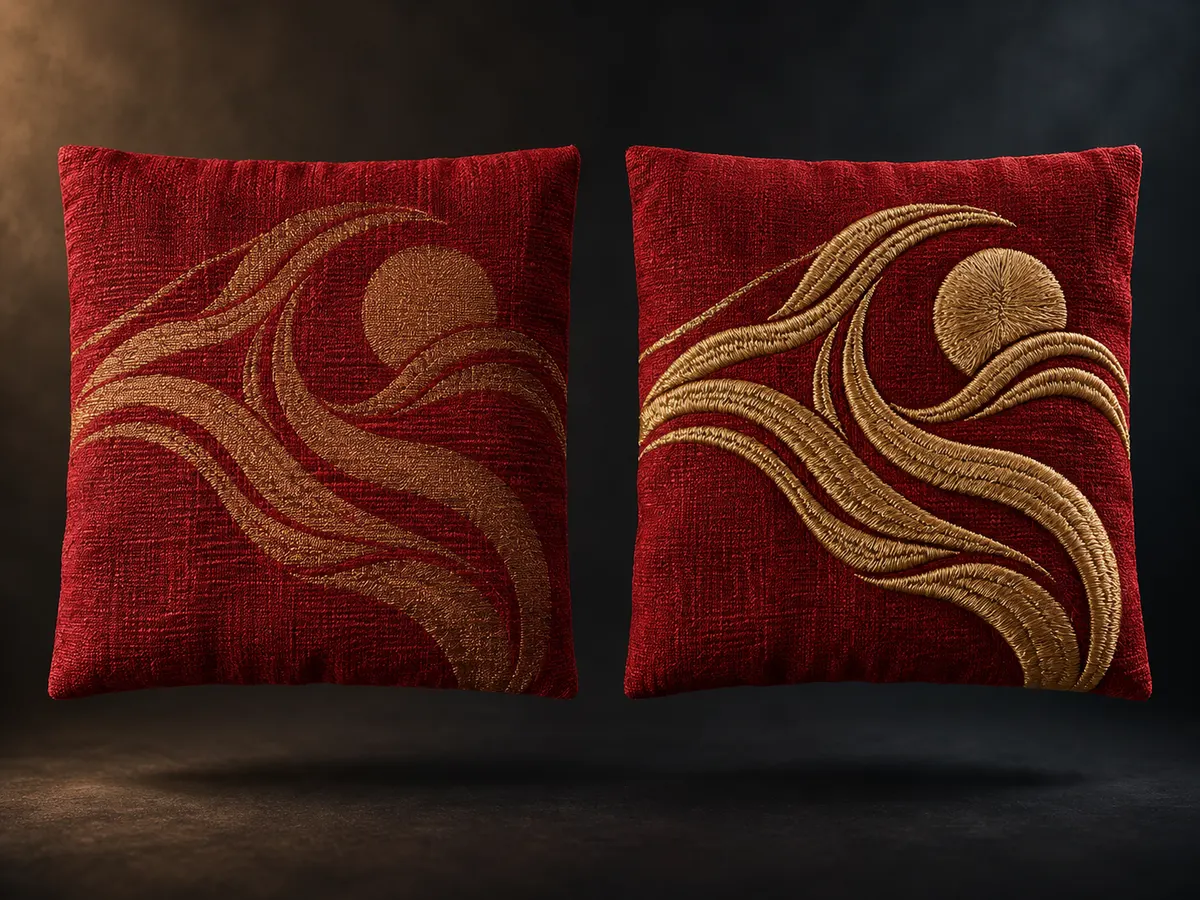
The key difference between nishijin-ori and embroidery lies in how the patterns are created. In nishijin-ori, the designs are woven directly into the fabric using a loom, a process that requires immense skill and patience. This method results in a more durable and cohesive pattern, as the threads are interlaced with the fabric's structure. The intricate designs of embroidery treated as an art form can take weeks or even months to complete, depending on the complexity of the pattern.
Embroidery, on the other hand, involves stitching designs onto a finished piece of fabric. While embroidery allows for greater flexibility and can be applied to a wide range of materials, it is generally less durable and can wear out over time. The structural integrity of the fabric is not as strong as that of a woven pattern, making embroidered pieces more prone to fraying and damage. This difference in construction also affects the drape and feel of the fabric, with nishijin-ori often having a more luxurious and smoother texture.
Another significant aspect is the cost. Nishijin-ori is often more expensive due to the time-consuming and labor-intensive weaving process. The use of high-quality materials and the intricate nature of the designs contribute to its premium price. Embroidery, while also a skilled art, generally requires less time and resources, making it a more affordable option for many. However, both methods have their unique charm and are valued for different reasons in the world of textiles.
Why the Kyoto district became the centre
Kyoto, the ancient capital of Japan, has long been the heart of nishijin-ori production. The city's rich cultural heritage and historical significance played a crucial role in establishing it as the center for this traditional craft. During the Heian period, the imperial court's demand for high-quality textiles provided a strong economic incentive for artisans to perfect their weaving techniques. This demand continued through subsequent eras, fostering a vibrant and competitive textile industry in the region.
The concentration of skilled weavers and artisans in Kyoto also contributed to the district's prominence. The close-knit community of craftsmen shared knowledge and techniques, leading to continuous innovation and refinement of the nishijin-ori tradition. The city's strategic location and access to high-quality materials further supported the development of this craft. Despite the challenges posed by modernization, the nishijin-ori industry in Kyoto has managed to preserve its heritage while adapting to contemporary tastes and technologies.
Today, the Kyoto district is recognized globally for its exceptional nishijin-ori textiles. The commitment to preserving traditional methods, combined with the integration of modern techniques, ensures that this ancient craft continues to thrive. Visitors to Kyoto can explore the workshops and museums dedicated to nishijin-ori, gaining a deeper appreciation for the artistry and cultural significance of the obi and where this cloth appears.
How the cloth is made and why it costs what it does
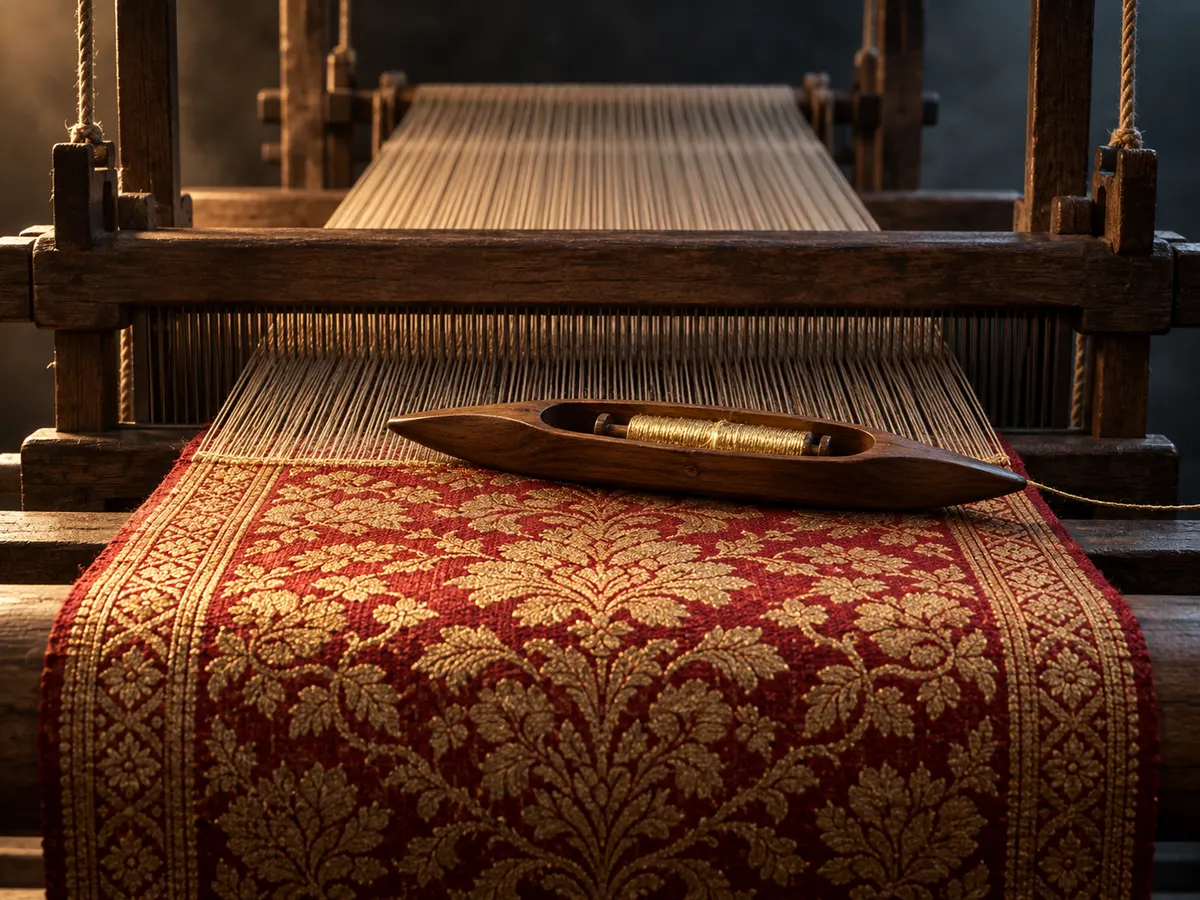
The intricate process of nishijin-ori weaving involves a meticulous blend of traditional techniques and modern craftsmanship. Each pattern is meticulously planned and dyed before the weaving begins, ensuring that the design is flawlessly integrated into the fabric. This attention to detail and the use of high-quality silk and gold threads contribute to the cloth's luxurious feel and appearance. The complexity of the designs and the labor-intensive nature of the weaving process are key factors in the high cost of this Kyoto textile.
Another significant factor in the expense of nishijin-ori is the time it takes to create each piece. A single meter of fabric can take several days or even weeks to weave, depending on the complexity of the design. The weaving looms used in Kyoto are often custom-built and require skilled artisans to operate them. These artisans must undergo years of training to master the techniques, further adding to the value of the finished product. The time and skill required make nishijin-ori a true investment.
Where you encounter it in modern garments
Nishijin-ori weaving is not limited to traditional Japanese clothing; it has found its way into contemporary fashion, adding a touch of elegance and luxury to modern garments. Designers around the world incorporate this Kyoto textile into high-end fashion pieces, from evening gowns to tailored suits. The unique patterns and rich textures of nishijin fabric make it a standout choice for creating garments that stand the test of time. Additionally, the durability and drape of nishijin-ori make it ideal for garments that require both beauty and functionality.
In the realm of accessories, nishijin fabric is used to create exquisite items such as handbags, scarves, and even shoes. These accessories not only serve a practical purpose but also serve as works of art, showcasing the intricate patterns and vibrant colors of nishijin-ori. The versatility of the fabric allows it to be adapted to various styles, from classic to avant-garde. Whether it's a delicate scarf or a bold handbag, nishijin fabric adds a luxurious touch that elevates any ensemble.
Furthermore, nishijin-ori weaving is often integrated into home decor items, such as cushions, curtains, and wall hangings. These decorative pieces bring a sense of sophistication and cultural richness to any space. The use of nishijin in home decor not only enhances the aesthetic appeal but also preserves the tradition and craftsmanship of Kyoto weaving. Each piece serves as a reminder of the artistry and dedication that goes into creating nishijin-ori, making it a valuable addition to any collection.
Caring for woven brocade
Proper care is essential to maintain the beauty and longevity of nishijin-ori woven brocade. Due to the delicate nature of the fabric, it is important to handle it with care. When storing nishijin garments, use acid-free tissue paper and avoid folding the fabric sharply, as this can cause creases and damage the intricate patterns. Instead, roll the fabric gently and place it in a cool, dry place away from direct sunlight to prevent fading and deterioration.
When cleaning nishijin-ori fabric, it is crucial to follow the care instructions provided by the manufacturer. Dry cleaning is generally recommended to preserve the fabric's quality and prevent damage. However, if hand washing is necessary, use a mild detergent and cold water, and avoid wringing the fabric. Instead, gently press out the excess water and lay the garment flat to dry. Regular maintenance, such as spot cleaning and airing out the fabric, can also help extend the life of nishijin-ori brocade.
To further protect nishijin-ori woven brocade, consider using protective covers or slipcovers for items like cushions and curtains. This can help shield the fabric from dust, dirt, and other environmental factors that may cause wear and tear. Additionally, using a soft-bristled brush to gently remove any surface dirt can help keep the fabric looking its best. By taking these precautions, you can ensure that your nishijin-ori brocade items remain a beautiful and cherished part of your collection for years to come.
Frequently Asked Questions
What is nishijin-ori weaving?
Nishijin-ori weaving is a traditional Japanese textile technique originating from Kyoto, known for its intricate patterns and high quality. This method involves weaving complex designs directly into the fabric using multicolored threads on a loom. The result is a rich, durable textile that has been prized for centuries in both ceremonial and everyday wear. Nishijin-ori textiles are often used in kimono, tapestries, and other high-end garments.
Why is nishijin-ori fabric so expensive?
Nishijin-ori fabric is expensive due to its labor-intensive production process and the high quality of materials used. Each piece is meticulously crafted on traditional looms, often taking days or weeks to complete a single section. The use of premium silk and gold threads further adds to the cost. Additionally, the limited number of skilled artisans who can perform this intricate work contributes to the high value and exclusivity of nishijin-ori textiles.
What is the difference between woven patterning and embroidery?
Woven patterning, such as in nishijin-ori weaving, involves creating designs directly into the fabric during the weaving process. This results in a seamless, durable pattern that is part of the fabric's structure. In contrast, embroidery is a technique where designs are sewn onto a finished piece of fabric. Woven patterns generally have a smoother drape and are more resistant to wear, while embroidery allows for more detailed and raised designs but can be more prone to damage.
What garments use nishijin-ori fabric?
Nishijin-ori fabric is commonly used in traditional Japanese garments such as kimonos, obis, and haoris. Its intricate patterns and luxurious feel also make it suitable for high-end accessories like bags and fans. The fabric's versatility allows it to be used in modern designs, including high-fashion garments and home decor items. The durability and beauty of nishijin-ori weaving ensure that these garments and items remain valuable and timeless.
How do you care for Japanese brocade?
Japanese brocade requires gentle and specialized care. Hand wash with cold water and a mild detergent, or opt for dry cleaning to preserve the fabric's intricate patterns and colors. Avoid direct sunlight and high heat, as these can cause fading and damage. Store the fabric in a cool, dry place, preferably in a breathable cloth bag, to prevent moisture and dust from affecting its quality.


