


Embroidery durability is a critical factor in the longevity of your favorite sukaizen.com pieces, from dragon-embellished jackets to koi-adorned hoodies. Understanding how and why embroidery fails can help you make informed decisions about maintenance and repair. This article breaks down embroidery failure into four distinct modes: abrasion, thread degradation, backing breakdown, and tension release, explaining which issues are repairable and which are terminal. Whether you're a collector or a casual wearer, knowing these factors will help you decide if a damaged piece is worth saving by learning washing embroidered pieces properly.
Key Takeaways
- Embroidery longevity: High-quality thread and proper backing can significantly extend the life of your embroidered apparel.
- Abrasion: Friction from wear and tear is the most common cause of embroidery damage, but it is often repairable with careful attention.
- Thread degradation: Exposure to sunlight and chemicals can weaken embroidery threads over time, leading to irreversible damage.
- Backing breakdown: A weak or deteriorated backing can cause embroidery to loosen and unravel, making it a critical factor in longevity.
- Tension release: Incorrect tension during the embroidery process can lead to loose stitching, which is easier to fix than other issues.
What actually wears out on an embroidered garment
Embroidery longevity is a concern for many, especially those who invest in high-quality pieces like sukajan jackets. Over time, several factors can cause wear and tear. One of the primary issues is abrasion, which occurs at the points where the garment frequently rubs against other surfaces. This can lead to thread breakage and a worn-out appearance, making the embroidery look less vibrant and detailed.
Another common cause of wear is thread degradation. Exposure to sunlight, moisture, and chemicals can weaken the fibers, causing them to become brittle and prone to breaking. This is particularly relevant for items that are often exposed to the elements, such as outerwear or frequently worn hoodies. Proper care can mitigate these effects, but understanding the causes is the first step.
Finally, the backing material used in embroidery can also deteriorate over time. This backing provides support and stability to the embroidery, but it can weaken, leading to a loss of structural integrity. When the backing breaks down, the embroidery can become loose and may even fall off, making it essential to choose high-quality materials and proper care techniques to extend the life of the garment.
Abrasion at the contact points
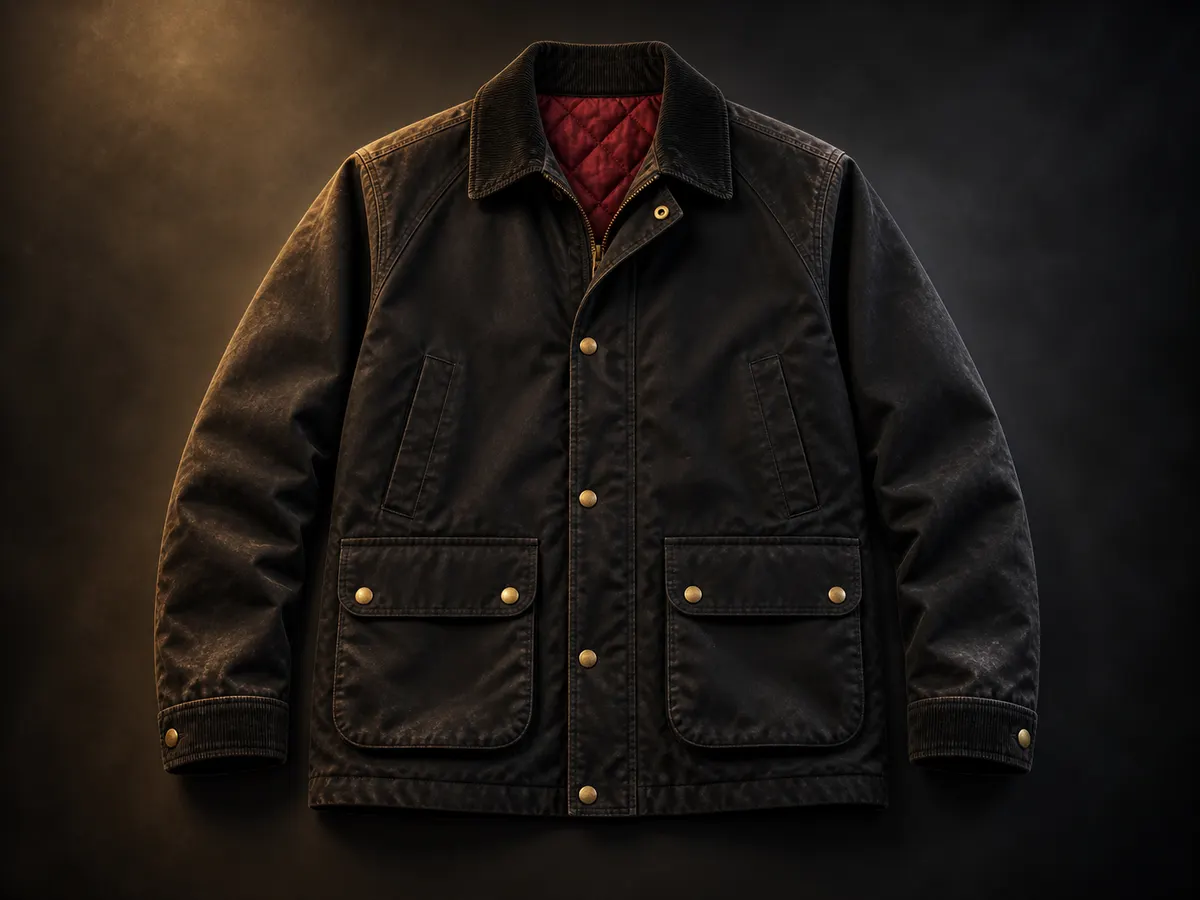
Abrasion is a significant factor in embroidery longevity, especially on items like hoodies and jackets. High-friction areas, such as the sleeves and shoulders, are particularly vulnerable. Continuous rubbing against surfaces like desks, chairs, or even other clothing can gradually wear down the threads. This is why it's crucial to minimize friction and handle these areas gently.
To reduce the impact of abrasion, consider using repairing a damaged panel techniques that incorporate more durable threads and backing materials. Garments with reinforced stitching or a denser embroidery pattern can withstand more wear and tear. Additionally, storing the garment in a cool, dry place and avoiding rough surfaces can help preserve the embroidery's integrity.
Regular inspection of the embroidery can also help catch signs of wear early. Look for loose threads, thinning areas, or any discoloration. Addressing these issues promptly can prevent further damage and extend the life of the garment. Simple repairs, such as resewing loose threads, can often restore the embroidery's appearance and longevity.
Thread type and how each one ages
The type of thread used in embroidery plays a critical role in its longevity. Polyester threads, for instance, are known for their strength and resistance to moisture and sunlight. They are ideal for items that will see frequent use or exposure to the elements. On the other hand, cotton threads, while softer and more breathable, can be more susceptible to wear and tear over time.
Nylon threads offer a balance between strength and flexibility. They are often used in high-stress areas where the embroidery needs to withstand repeated movements. However, nylon can be sensitive to heat and may melt if exposed to high temperatures, such as those from an iron or dryer. Choosing the right thread type based on the garment's intended use is essential for maximizing longevity.
Finally, specialty threads like metallic or rayon can add a unique touch to embroidery but are generally less durable. Metallic threads can tarnish or break, while rayon can become brittle and lose its luster. For long-lasting embroidery, opting for more robust and versatile thread types is advisable, especially for items that are worn frequently or subjected to harsh conditions.
Backing failure, the invisible problem
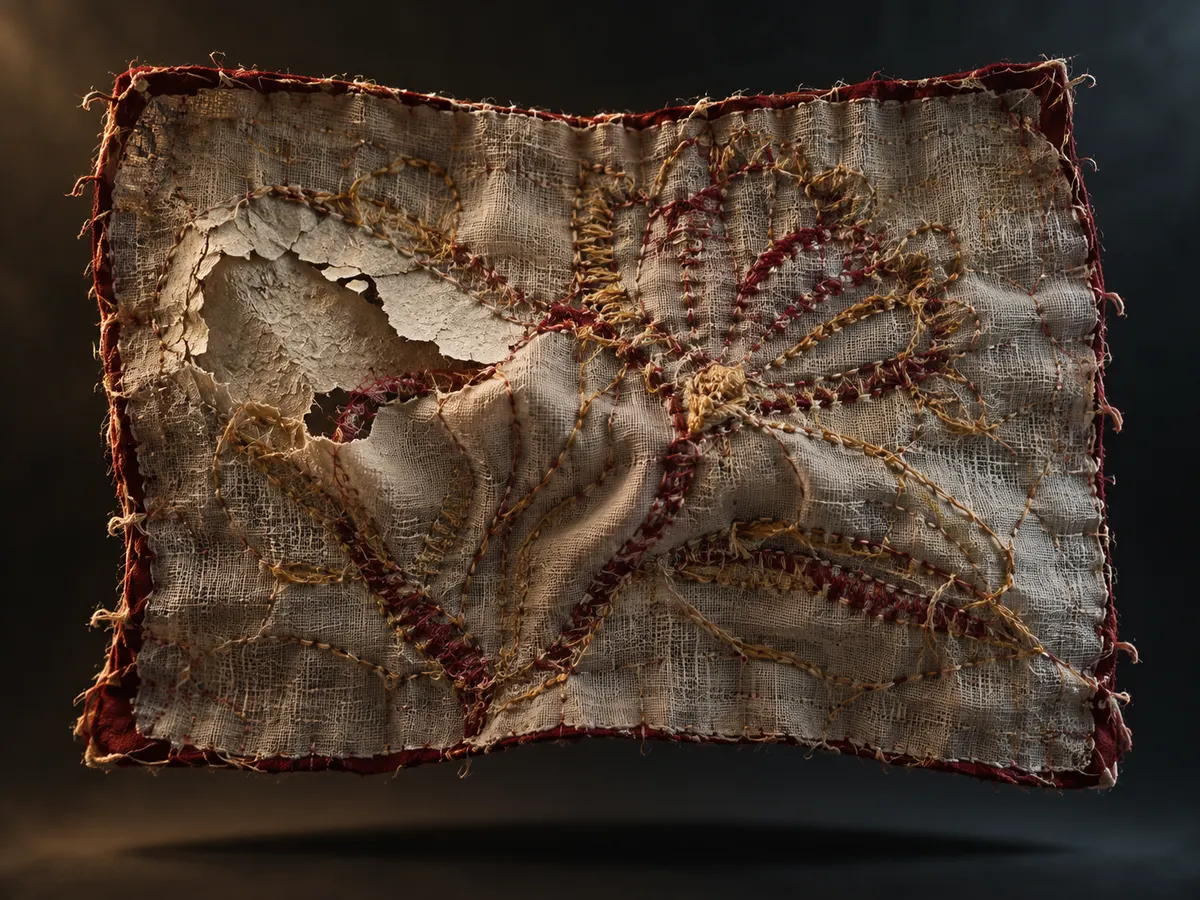
Backing failure is a critical issue that often goes unnoticed until it's too late. The backing, or stabilizer, is the unseen layer that supports the embroidery stitches and holds them in place. Over time, the backing can weaken due to repeated washing, exposure to sunlight, or simply the passage of time. This weakening can cause the embroidery to pucker, sag, or even fall apart, leading to a loss of the garment's aesthetic appeal.
When the backing fails, it can be challenging to identify the problem at first. The embroidery might look fine on the surface, but upon closer inspection, you might notice that the stitches are loose or that the fabric around the embroidery has started to stretch. This is a sign that the backing is no longer providing the necessary support. It's important to catch this early to prevent further damage.
Preventing backing failure involves using high-quality stabilizers and ensuring they are properly applied. For heavy embroidery, consider using a double layer of backing for added stability. If you notice any signs of backing failure, it may be worth considering a professional repair to reinforce the area and extend the life of your garment. Regular inspections and proper care can help mitigate this issue.
Washing, drying, and heat damage
Proper care is crucial for maintaining the integrity of embroidered garments. Washing and drying can cause significant damage if not done correctly. High temperatures and aggressive washing cycles can weaken the threads and cause the backing to deteriorate. To preserve your embroidery, always use a gentle cycle with cold water and avoid using bleach or harsh detergents. These can cause the threads to fade and weaken over time.
Drying is another critical step. Air drying is the safest method to maintain the quality of the embroidery. If you must use a dryer, opt for a low-heat setting and remove the garment while it's still slightly damp to prevent shrinkage and thread damage. Over-drying can also cause the fabric to become brittle, leading to thread pull-out and overall degradation of the embroidery. Regularly inspecting your garments after washing and drying can help you catch any issues early.
Heat damage is another common problem, especially if you use a clothes iron. Always use a pressing cloth and a low heat setting when ironing embroidered areas. Direct heat can melt or scorch the threads, causing irreparable damage. If you notice any scorch marks or melted threads, it's best to consult a professional for repair options. Taking these precautions can significantly extend the life of your embroidered items.
Which failures are worth repairing
Not all embroidery failures are created equal, and some are more repairable than others. Abrasion and minor thread pull-out can often be fixed with simple techniques like re-stitching or reinforcing the area. However, extensive backing failure or severe thread degradation might be more challenging to address. In such cases, the cost and effort of repair might outweigh the value of the garment. It's important to assess the extent of the damage before deciding whether to repair or replace the item.
For minor issues like loose threads or small areas of wear, DIY repair kits can be very effective. These kits often come with needles, thread, and clear instructions on how to re-stitch the embroidery. If you're not confident in your sewing skills, taking the garment to a professional can ensure a high-quality repair. They can use specialized tools and techniques to make the embroidery look as good as new.
In cases where the embroidery is a sentimental or valuable piece, it's often worth the effort to repair it, even if the damage is significant. Professional restoration services can handle complex repairs and provide a level of detail and care that is difficult to achieve at home. Before making a decision, consider the emotional and monetary value of the garment and weigh it against the cost of repair pressing without crushing the stitches. This will help you make an informed choice about whether to save or replace your embroidered item.
Frequently Asked Questions
How long does embroidery last on a garment?
Well executed embroidery routinely outlasts the garment it sits on, so the base fabric usually fails before the stitching does. Fabric type, washing method, and exposure to sunlight are what actually set the lifespan. Using high-quality, durable embroidery thread and following care instructions can significantly extend its life. Regular maintenance, such as gentle washing and avoiding harsh detergents, helps prevent premature wear.
Is embroidery durable on hoodies and sweatshirts?
Embroidery is highly durable on hoodies and sweatshirts, especially when using professional-grade embroidery thread. These garments are designed to withstand regular wear and washing, making them ideal for embroidered designs. However, frequent abrasion from activities like sports can cause wear over time. Proper care, including turning the garment inside out before washing, can help maintain the embroidery's integrity.
Does embroidery fade in the wash?
Embroidery can fade over time if exposed to harsh detergents or frequent washing. Using gentle detergents and cold water can minimize fading. Additionally, avoiding direct sunlight and drying the garment in a shaded area helps preserve the colors. Pre-washing the fabric and using colorfast threads during embroidery can also enhance its resistance to fading.
Why do embroidered threads pull loose?
Embroidered threads can pull loose due to several factors: abrasion, thread degradation, backing breakdown, or tension release. Abrasion occurs from frequent rubbing, causing threads to fray and come loose. Thread degradation happens over time as the thread weakens due to exposure to sunlight, moisture, or chemicals. Backing breakdown involves the stabilizing material deteriorating, leading to loose threads. Tension release is when the tension in the embroidery loosens, often due to improper washing or handling.
Can loose embroidery be repaired?
Loose embroidery can often be repaired, depending on the cause. For abrasion or minor tension release, re-stitching the loose threads or tightening the tension can fix the issue. Thread degradation and backing breakdown are more challenging and may require re-embroidering or replacing the backing material. Professional repair services can also help with more extensive damage, ensuring the embroidery looks as good as new.


