


Choosing the right embroidered jacket for men is a significant investment, one that should stand the test of time. To ensure your jacket still looks good in five years, focus on key aspects that determine its longevity and quality: the backing, stitch density, thread type, panel placement, and lining. Each element plays a crucial role in how well your jacket will endure repeated wear and washing. By understanding these factors, you can make an informed decision that ensures your embroidered jacket remains a stylish and durable part of your wardrobe, such as learning how embroidery sits on a bomber shell.
Key Takeaways
- Backing: A sturdy backing prevents the fabric from puckering and ensures the embroidery stays flat and secure.
- Stitch Density: Higher stitch density means more stitches per inch, resulting in a more durable and detailed design.
- Thread Type: Polyester threads are more resistant to fading and wear compared to cotton, making them ideal for longevity.
- Panel Placement: Proper panel placement ensures the embroidery aligns well, enhancing the jacket's overall aesthetic and fit.
- Lining: A quality lining protects the inner fabric and adds an extra layer of comfort and durability.
What separates a good embroidered jacket from a cheap one
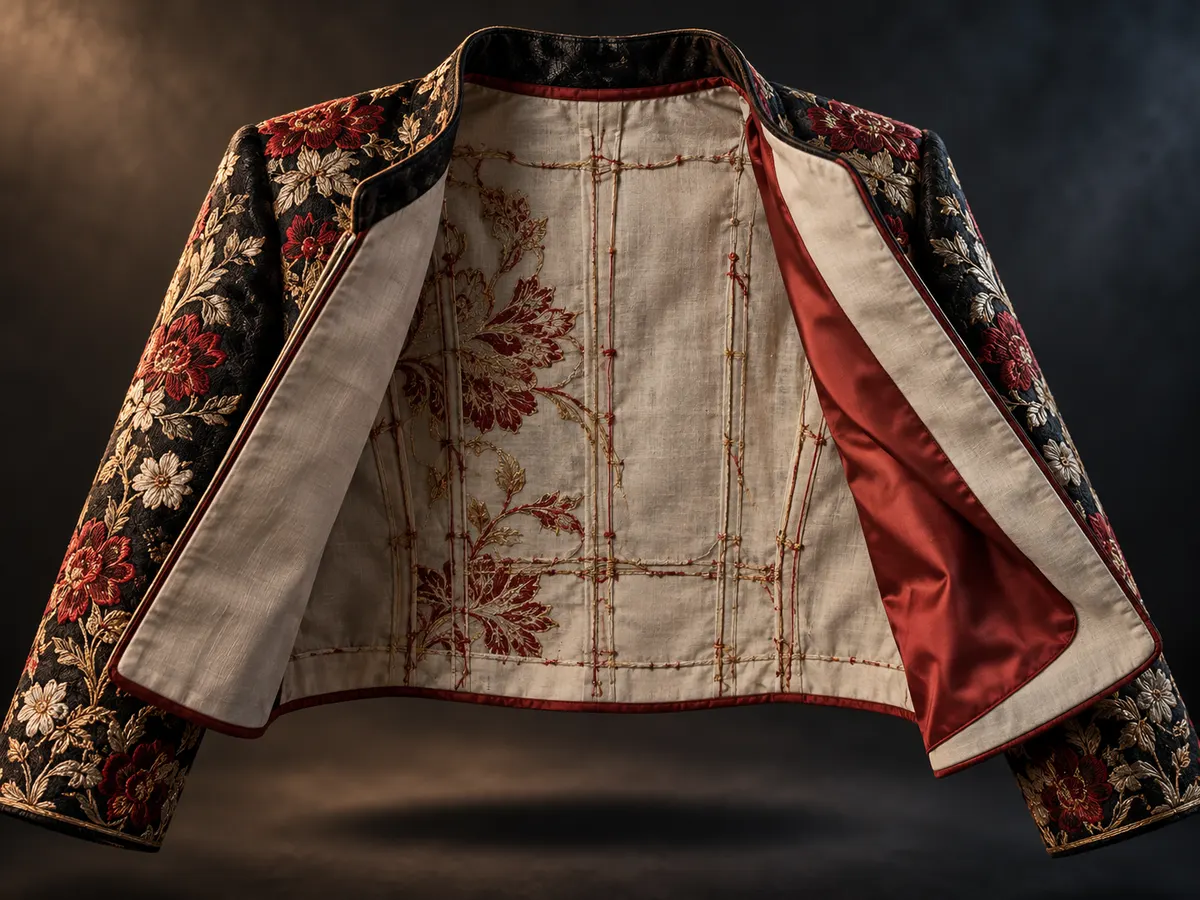
A high-quality embroidered jacket stands the test of time through thoughtful construction and materials. Cheap versions often use flimsy fabrics and weak stitching, leading to fraying and unraveling after just a few washes. Premium jackets, on the other hand, are made with durable materials like cotton twill or wool, which maintain their integrity and appearance over years of wear.
The embroidery itself is a critical factor. Good quality embroidery uses high-density stitching and high-quality threads, ensuring that the design remains crisp and vibrant. Cheap embroidery can look fuzzy and lose its detail quickly, especially around intricate motifs like dragons or tigers. This attention to detail is what sets a premium jacket apart.
Another key difference lies in the lining. A well-made jacket will have a smooth, durable lining that adds comfort and longevity. Cheaper jackets often skimp on the lining, using thin or scratchy materials that can irritate the skin and wear out faster. The lining is an often-overlooked but crucial component of a jacket's overall quality.
The five things to inspect before you buy
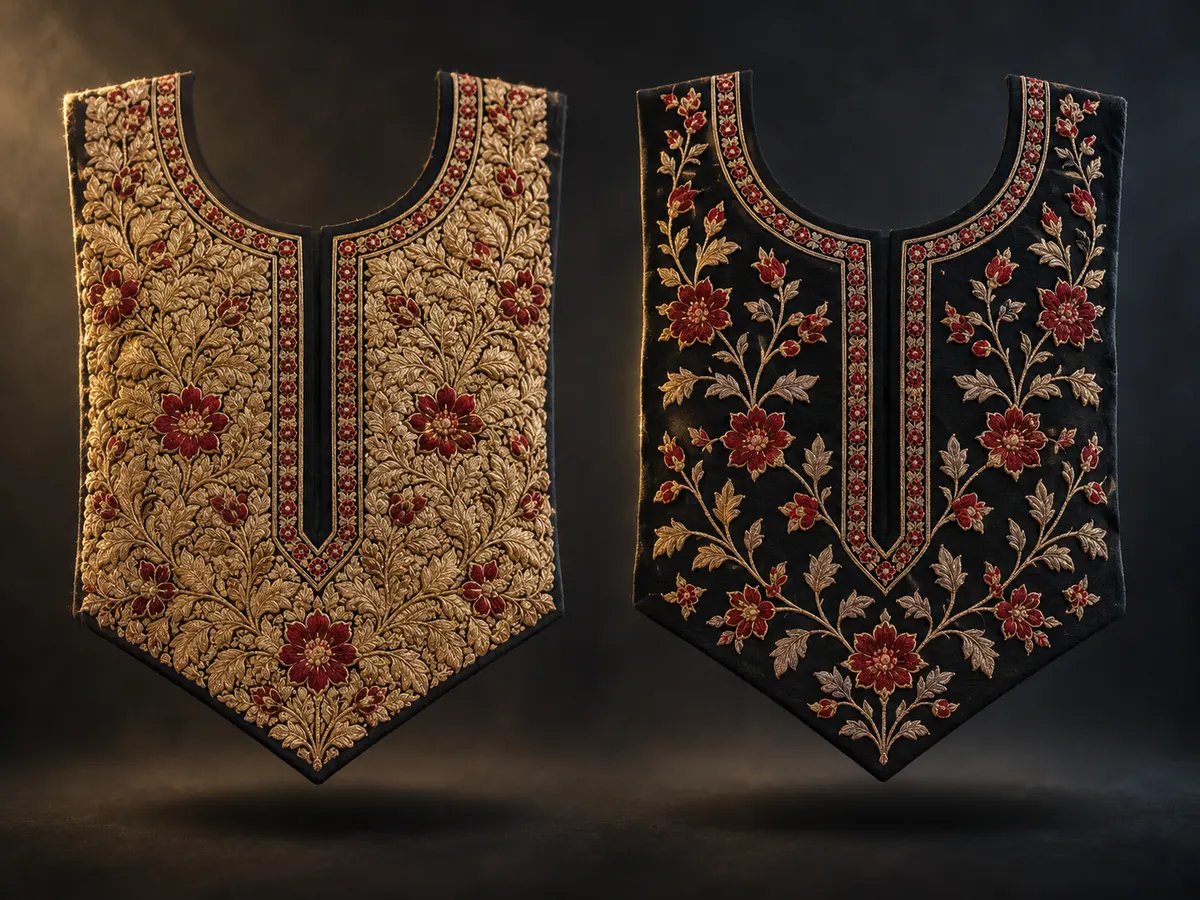
When shopping for an embroidered jacket, start by examining the backing. A good jacket will have a sturdy backing that prevents the fabric from stretching or distorting. This is crucial for maintaining the shape and integrity of the embroidery over time. Weak backing can lead to puckering and uneven stitches, especially after multiple washes.
Next, check the stitch density. High-quality embroidery has a tight, dense stitch pattern that holds up well to wear and washing. If the stitches are sparse or uneven, the design will likely degrade faster. You can often feel the quality of the stitching by running your hand over the embroidery. Sukajan buying guide offers a detailed guide on how to inspect stitching.
Finally, look at the thread type. Premium jackets use high-quality threads that resist fading and breaking. Polyester threads are generally more durable than cotton, but the best jackets often use a blend that combines the best of both worlds. Inferior threads can lead to color fading and thread breakage, ruining the overall look of the jacket.
Jacket shapes that carry embroidery well
The shape of a jacket plays a significant role in how well embroidery holds up over time. Bomber jackets, with their structured fit and reinforced seams, are excellent choices for embroidered designs. The sturdy construction helps maintain the integrity of the embroidery, even after multiple washes. Bombers also provide ample space for intricate designs without overwhelming the overall look.
Another classic shape that works well with embroidery is the moto jacket. The leather or faux leather material is robust and provides a smooth surface for detailed embroidery. The structured design of moto jackets ensures that the embroidery remains crisp and visible, making them a stylish and durable option for those looking for a timeless piece.
Finally, consider the fit and cut of the jacket. A well-fitted jacket not only looks better but also reduces the stress on the embroidery. Jackets that are too tight or too loose can cause the fabric to stretch or bunch, leading to puckering and distortion of the design. Ensuring a proper fit is crucial for maintaining the longevity and appearance of your embroidered jacket. Washing stitched pieces safely provides more tips on finding the right fit.
Choosing a motif you will still want later
When selecting a motif for your embroidered jacket, consider timeless designs that resonate with personal values or interests. Dragons, tigers, and cranes are classic symbols that carry deep cultural significance and remain popular over the years. Avoid trendy motifs that may feel dated in a few years. A timeless design ensures your jacket remains a wardrobe staple.
Think about the versatility of the motif. A dragon or koi can be dressed up or down, fitting both casual and formal settings. Consider how the motif interacts with the jacket’s color and style. A bold design on a neutral background, for example, can make a strong statement without overwhelming the overall look.
Finally, reflect on the personal story you want to tell. Each motif has its own narrative, whether it’s about strength, resilience, or grace. Choose one that aligns with your identity and values, making the jacket a meaningful addition to your wardrobe.
Fit and sizing on an embroidered jacket
Finding the right fit for your embroidered jacket is crucial for comfort and longevity. Start by measuring your chest, shoulders, and sleeve length accurately. Compare these measurements to the brand’s size chart. Many brands offer detailed guides to help you find the perfect fit. If possible, try on the jacket in person to ensure it feels right.
Consider the jacket’s intended use and style. A fitted sukajan buying guide may be ideal for a sleek, modern look, while a more relaxed fit suits a casual or vintage aesthetic. Pay attention to the jacket’s structure, such as the placement of seams and the balance of the panels. Proper fit ensures the embroidery doesn’t stretch or distort over time.
Lastly, think about layering. If you plan to wear the jacket over sweaters or other thick clothing, opt for a slightly larger size. This prevents the jacket from feeling tight and maintains the integrity of the embroidery, even with multiple layers.
What a fair price actually buys you
A fair price for an embroidered jacket reflects the quality of materials and craftsmanship. High-quality jackets often use durable fabrics like wool or premium cotton, which resist wear and tear. The type of embroidery thread also matters; polyester or silk threads are more resilient and less prone to fading or breaking. These materials contribute to the jacket’s longevity.
The construction of the jacket, including the backing and lining, affects its durability. A well-constructed jacket will have strong stitching and a robust lining that supports the embroidered panels. Look for jackets with double-stitched seams and reinforced stress points. These features ensure the jacket holds up through multiple washes and wears.
Finally, consider the brand’s reputation and customer service. Established brands with positive reviews and strong warranties often provide better value. They are more likely to stand behind their products, offering repairs or replacements if issues arise. A fair price buys you not just a jacket, but a commitment to quality and customer satisfaction washing stitched pieces safely.
Frequently Asked Questions
How can you tell if embroidery on a jacket is good quality?
Good embroidery is evident in the backing, stitch density, and thread type. Check for a sturdy backing to prevent fabric from puckering. High stitch density ensures detailed and durable designs. Quality thread should be smooth and colorfast, with no loose ends or fraying. Inspect the lining for reinforcement at embroidered areas, which helps maintain shape and longevity.
Are embroidered jackets true to size?
Embroidered jackets generally follow standard sizing charts, but fit can vary by brand. Always check the specific brand’s sizing guide and customer reviews for fit accuracy. Embroidered areas can add bulk, so consider sizing up if you prefer a comfortable, non-restrictive fit. Try on the jacket if possible, or opt for brands with a generous return policy.
What is the difference between an embroidered and a printed jacket?
Embroidered jackets feature raised, stitched designs that add texture and depth. They are more durable and can withstand multiple washes without fading. Printed jackets use ink to create designs, which can peel or fade over time. Embroidery is ideal for intricate, detailed motifs, while printing is better for large, flat designs. Choose based on your preference for longevity and visual impact.
Why do embroidered jackets cost more?
Embroidered jackets are more expensive due to the detailed craftsmanship and higher material costs. Each design requires precise stitching, often done by skilled artisans. High-quality threads and durable backings add to the cost. The time and labor involved in creating intricate embroidery also contribute to the higher price point. Despite the cost, embroidered jackets offer superior durability and a unique aesthetic.
Can you wash an embroidered jacket at home?
Yes, you can wash an embroidered jacket at home, but follow specific care instructions to preserve its quality. Use a gentle cycle with cold water and a mild detergent. Avoid bleach and fabric softeners, as they can damage the embroidery. Hang the jacket to dry or use a low-heat setting on the dryer. Regularly check for loose threads and mend them promptly to maintain the jacket’s appearance.
Conclusion
When choosing an embroidered jacket for men, focus on the backing, stitch density, thread type, panel placement, and lining to ensure it remains stylish and durable. These factors will help your jacket withstand multiple washes and continue to look great for years to come.


