


An oversized jacket should fit with precision, even when it's meant to be loose. The key is understanding the right balance of room and proportion: shoulder seam drop, sleeve break at the hand, and hem relative to the hip. These reference points ensure your jacket looks intentionally styled, not just oversized. Achieving the perfect fit can transform your overall look, making you stand out with a balanced, fashionable silhouette by learning sizing a sukajan correctly.
Key Takeaways
- Shoulder Seam Drop: The shoulder seam should fall about one inch past your natural shoulder line for a balanced oversized look.
- Sleeve Break: The sleeve should end at the base of your hand, allowing for a slight break at the wrist for a clean, modern fit.
- Hem Placement: The hem should sit at or slightly below your hip for a proportional and flattering silhouette.
- Proportional Sizing: Choose a size that adds the right amount of volume without overwhelming your frame.
- Styling Tip: Layering with fitted pieces can enhance the oversized look, making it more versatile and stylish.
Oversized against too big
When shopping for an oversized jacket, the line between intentional and ill-fitting can be blurry. An oversized jacket should feel spacious but not overwhelming. The key is in the proportions. A well-fitted oversized jacket will have a relaxed silhouette without hanging off your frame. It should drape comfortably, allowing for movement and layering, but not so much that it looks like a hand-me-down.
To ensure you’re getting the right fit, start by understanding your body type. If you’re petite or have a smaller frame, opt for a jacket that’s one size up. For those with a broader build, a two-size increase might be more appropriate. This balance ensures the jacket looks deliberate, not oversized simply due to a lack of fit.
Finally, pay attention to the fabric and construction. A structured fabric will maintain its shape and prevent the jacket from looking sloppy. Soft, flowing materials can also work, but they require a more tailored fit to avoid looking too loose. The goal is to achieve a look that’s both comfortable and stylish, not just baggy.
The shoulder seam is the whole argument
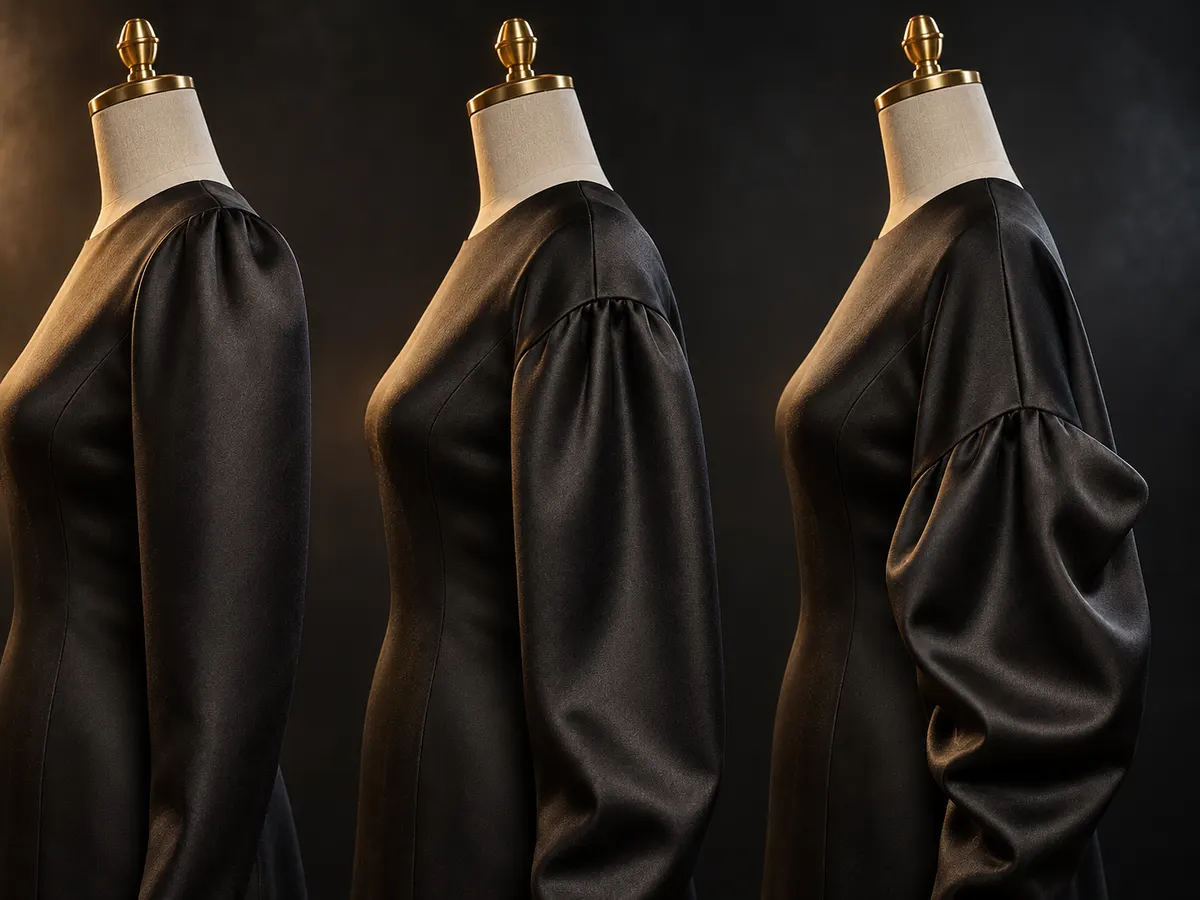
The shoulder seam is the most critical element in determining whether an oversized jacket fits properly. It should sit just past your natural shoulder line, creating a slight drop that adds to the relaxed aesthetic. This placement prevents the jacket from appearing too boxy or overwhelming. If the seam sits too far forward, it can make the jacket look disproportionate and unintentionally oversized.
To check the shoulder seam, stand in front of a mirror and examine the fit. The seam should fall naturally, without pulling or gapping. If it feels tight or uncomfortable, the jacket is likely too small. Conversely, if it hangs off your shoulders, the jacket might be too big. Adjusting the fit here can make a significant difference in the overall look.
Another tip is to consider the length of the jacket from the shoulder seam to the hem. A well-fitted oversized jacket should fall to a flattering length, typically ending just below the hip or at the mid-thigh. This length ensures the jacket doesn’t overwhelm your frame while still maintaining the desired oversized aesthetic.
Sleeve length and where the cuff should break
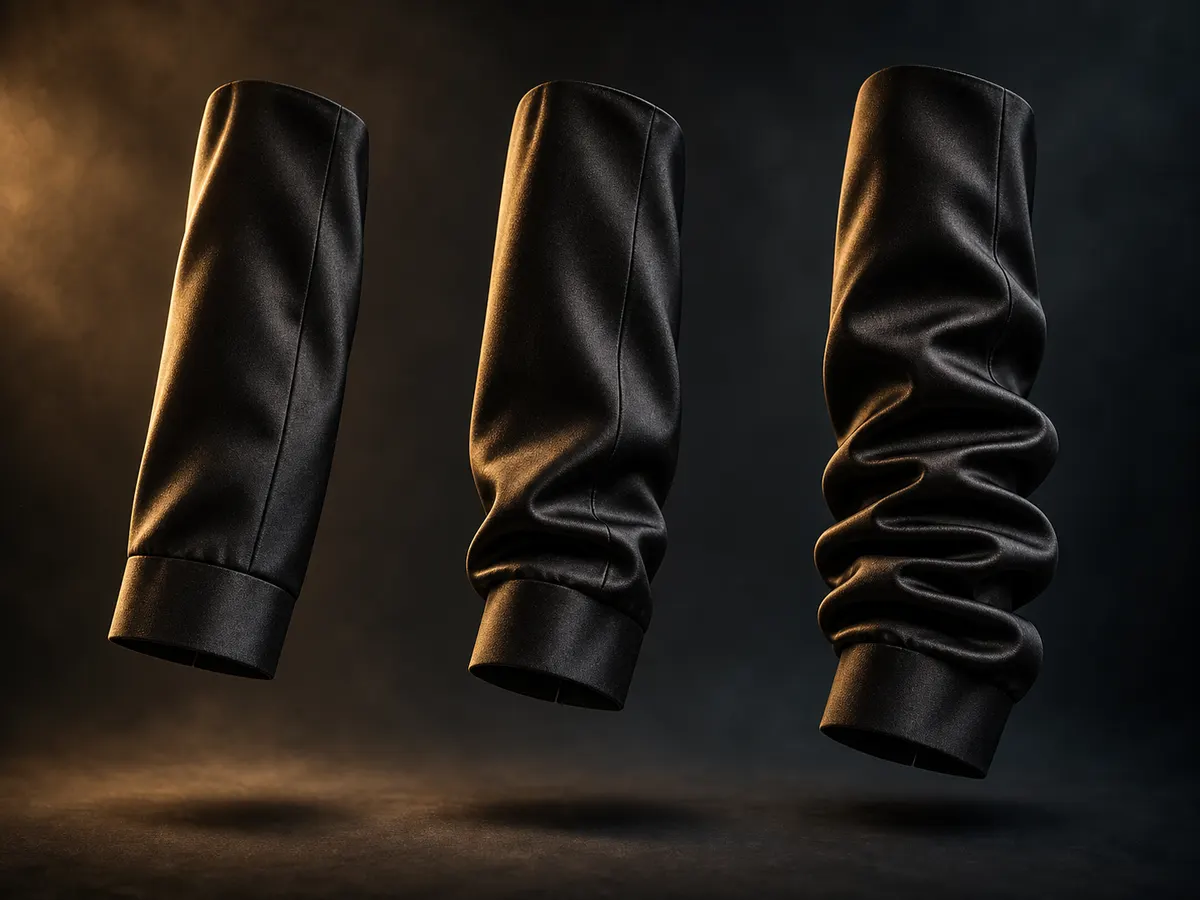
The sleeve length is another crucial factor in achieving the perfect oversized jacket fit. The cuffs should break just above the base of your hand, creating a clean line that enhances the overall silhouette. This break point is essential for maintaining a polished look, even in a relaxed fit. If the cuffs fall too far down your hand, the jacket can appear overly bulky and unflattering.
To ensure the sleeves are the right length, try on the jacket and extend your arms naturally. The cuffs should rest comfortably above your wrist, allowing for a slight gap when your hands are relaxed. This gap prevents the sleeves from bunching up and maintains the jacket’s clean, streamlined appearance. Adjusting the cuffs can be a simple yet effective way to refine the fit.
Lastly, consider the overall balance of the jacket. The sleeve length should complement the shoulder seam and hem placement. If the sleeves are too long, they can make the jacket look disproportionately large. Conversely, if they are too short, the jacket can lose its intended oversized look. Achieving the right balance ensures the jacket looks intentional and stylish, not just oversized.
Body width, hem, and keeping the waist readable
When considering the fit of an oversized jacket, the body width is crucial. The jacket should provide a relaxed, comfortable fit without appearing baggy. The extra room should allow for layering but not overwhelm your frame. A good rule of thumb is to ensure that the jacket adds about 2-4 inches to your natural shoulder width, giving it a balanced, intentional look.
The hem of an oversized jacket should sit at a specific point to maintain a flattering silhouette. For most people, the ideal hemline is around mid-hip or slightly below. This length ensures that the jacket covers your waistline without making you look disproportionate. It also helps to keep the jacket from overwhelming your lower half.
Maintaining a readable waist is key to making an oversized jacket look intentional. If the jacket is too loose, it can create a shapeless, boxy look that detracts from your overall appearance. To avoid this, use belts or layering techniques to define your waist. A simple belt can cinch the jacket at the waist, creating a more structured and stylish look.
How embroidery and heavy fabric change the read
Embroidery and heavy fabrics can significantly alter how an oversized jacket fits and appears. The same proportion question on a tee can help you understand how added bulk affects the overall look.
Heavy fabrics, like denim or thick wool, can also affect the fit. These materials tend to hold their shape and can make the jacket feel more structured. When selecting an oversized jacket made from heavy fabric, opt for a size that provides a bit more room to accommodate the thickness. This ensures that the jacket remains comfortable and doesn't feel constricting.
The placement of embroidery can also influence the jacket's silhouette. If the embroidery is concentrated around the chest or shoulders, it can create a visually wider appearance. To balance this, consider jackets with embroidery on the sleeves or back, which can draw the eye away from the body and create a more harmonious look.
Sizing up, and when it does not work
Sizing up is often recommended for achieving an oversized look, but it's not always the best approach. When sizing up, choose a jacket that is one to two sizes larger than your usual size. This provides enough room for layering and a relaxed fit without making the jacket look too big. However, if the jacket is more than two sizes larger, it can look sloppy and lose its intended style.
In some cases, sizing up may not be necessary. For example, if you have a broader frame or prefer a more fitted look, a jacket that is just slightly oversized might be more flattering. It's important to try on different sizes to find the one that complements your body type and personal style. This ensures that the jacket looks intentional and well-fitted.
Finally, consider the occasion and how you plan to wear the jacket. For a casual, laid-back look, a more oversized fit can work well. However, for more formal or structured settings, a slightly oversized jacket that still maintains a clean, defined silhouette is often a better choice. Experiment with layering under a roomier shell to find the perfect fit for your needs.
Frequently Asked Questions
How should an oversized jacket fit?
An oversized jacket should fit with a shoulder seam that drops about 1-2 inches past your natural shoulder, a sleeve break that ends at your hand, and a hem that sits around mid-hip. This ensures a relaxed, intentional look without appearing ill-fitted. Pay attention to these key points to achieve the right balance of comfort and style.
Where should the shoulder seam sit on an oversized jacket?
The shoulder seam on an oversized jacket should sit about 1-2 inches past your natural shoulder line. This slight drop creates the relaxed, boxy silhouette characteristic of oversized styles. If the seam sits too far back, the jacket will look too big and lose its intended aesthetic. Adjusting this seam can help achieve a perfect fit.
How do you know if a jacket is simply too big?
A jacket is too big if the shoulder seam extends more than 2 inches past your natural shoulder, the sleeves cover your hands, and the hem falls below your mid-hip. These signs indicate that the jacket is not oversized but simply the wrong size. Consider trying a smaller size or adjusting the fit with alterations to achieve the desired look.
Should you size up for an oversized look?
You should not size up if you are already purchasing an oversized jacket. These styles are designed to be larger than your usual size. Sizing up can result in a jacket that is excessively loose and unflattering. Instead, choose your usual size in an oversized style to achieve the perfect balance of comfort and fit.
Does a heavier fabric change how oversized a jacket reads?
A heavier fabric can make an oversized jacket appear more structured and less slouchy. Heavier materials like denim or wool maintain their shape better, which can influence the overall look and feel of the jacket. Lighter fabrics, on the other hand, may drape more loosely, creating a more relaxed silhouette. Consider the fabric when selecting an oversized jacket to ensure it meets your style preferences.
Conclusion
Understanding the key fit points, shoulder seam drop, sleeve break, and hem placement, ensures that your oversized jacket looks intentional and stylish. By following these guidelines, you can avoid the pitfalls of a jacket that is simply too big and achieve the perfect the proportion. Whether you opt for a hooded, denim, or bomber style, these tips will help you look and feel your best.


