


Japanese souvenir jackets, or sukajan, have captivated fashion enthusiasts with their vibrant embroidery and rich cultural motifs. Distinguishing vintage pieces from reproductions and modern versions can seem daunting, but it’s a skill anyone can master. By examining key elements such as zipper hardware, rib construction, lining seams, embroidery method, and label style, you can confidently place a jacket in one of three eras. This guide not only helps you identify authentic vintage pieces but also enhances your appreciation of these iconic garments and where the souvenir jacket came from.
Key Takeaways
- Vintage Identification: Vintage sukajans often feature sturdy brass zippers and hand-stitched embroidery, setting them apart from modern counterparts.
- Reproduction Characteristics: Reproduction jackets typically use synthetic materials and have more consistent, machine-made embroidery, making them easier to spot.
- Modern Innovations: Modern sukajans incorporate contemporary design elements and materials, often with a focus on comfort and durability.
- Label Style: The label style can provide crucial clues; vintage labels are often printed in Japanese and have unique, period-specific designs.
- Styling Tips: Understanding the era of your sukajan can help you style it appropriately, whether for a vintage look or a modern twist.
Why the same label covers three very different jackets
The term "Japanese souvenir jacket" or "sukajan" encompasses a broad range of styles and eras, each with distinct characteristics. Vintage pieces from the 1940s and 1950s are highly sought after for their historical significance and craftsmanship, while modern reproductions aim to capture that essence. Understanding the differences is crucial for collectors and enthusiasts. Each era has unique identifiers that can help you distinguish between an authentic vintage piece and a modern reproduction.
Vintage sukajans often feature hand-stitched embroidery and high-quality materials, reflecting the meticulous work of skilled artisans. These jackets are prized for their rarity and historical value, making them a valuable addition to any collection. On the other hand, modern reproductions are designed to be more accessible and affordable, often using machine embroidery and contemporary fabrics.
Despite the differences, all sukajans share a common heritage and aesthetic appeal. Whether you're looking for a vintage piece or a modern replica, the label "Japanese souvenir jacket" serves as a unifying term that connects these garments through their cultural and artistic significance. Each jacket tells a unique story, making them more than just clothing items.
Reading the hardware first
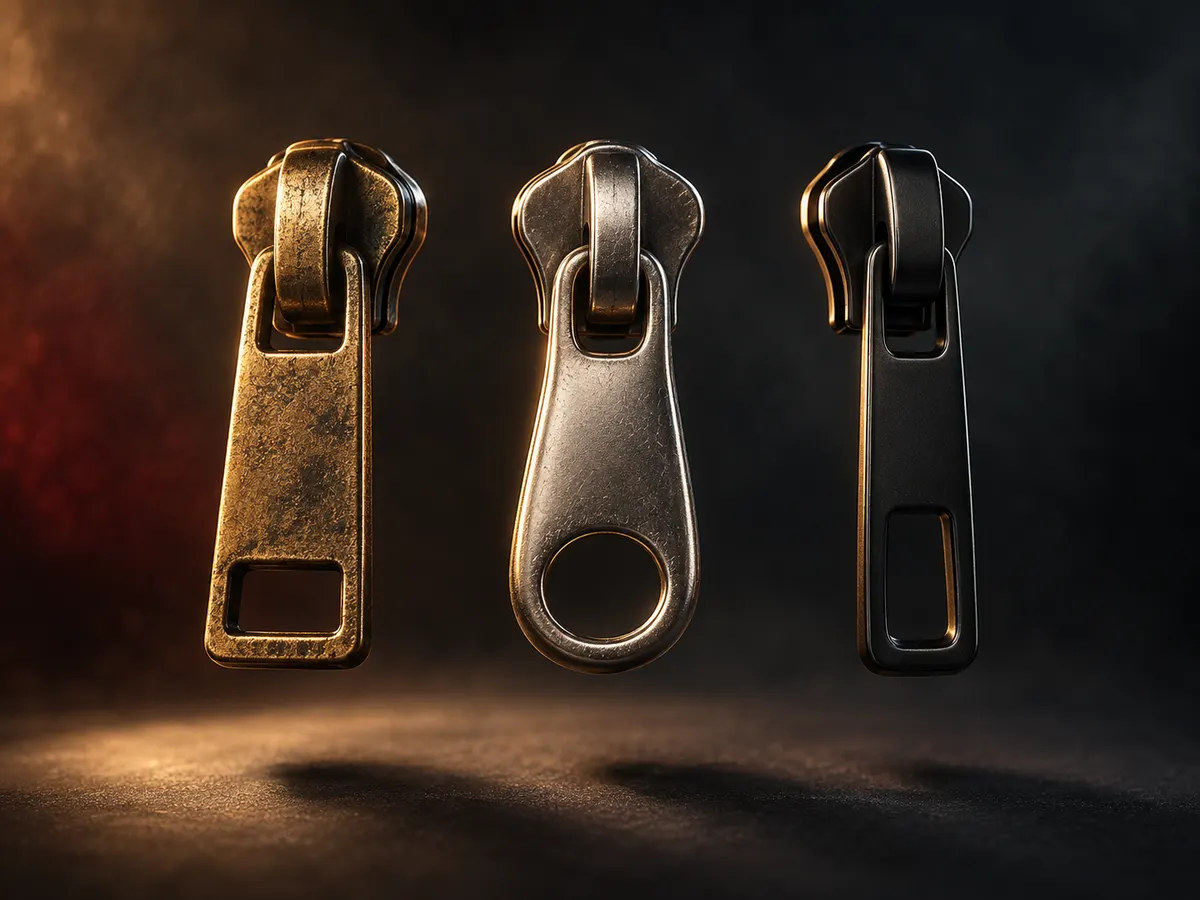
The hardware on a sukajan is one of the first things to inspect when determining its age. Vintage pieces typically feature sturdy, high-quality zippers with metal teeth, often from reputable brands like YKK. These zippers are robust and have a distinct, weighty feel, which is a hallmark of mid-20th-century manufacturing. Modern reproductions, while still using YKK zippers, often have lighter, more plastic-like components.
Another key indicator is the pull tab of the zipper. Vintage sukajans often have pull tabs made of metal or sturdy plastic, with a unique design that reflects the era. Modern jackets, in contrast, often feature more streamlined tabs. For those interested in buying vintage examples, the pull tab's material and design can provide valuable clues about the jacket's age and authenticity.
Additionally, the buttons on vintage sukajans are often made of high-quality materials like horn or bone, with intricate detailing that adds to the jacket's charm. These buttons are not only functional but also decorative, enhancing the overall aesthetic of the garment. Modern reproductions may use synthetic materials that lack the same level of detail and quality.
Rib, lining, and seam construction by era
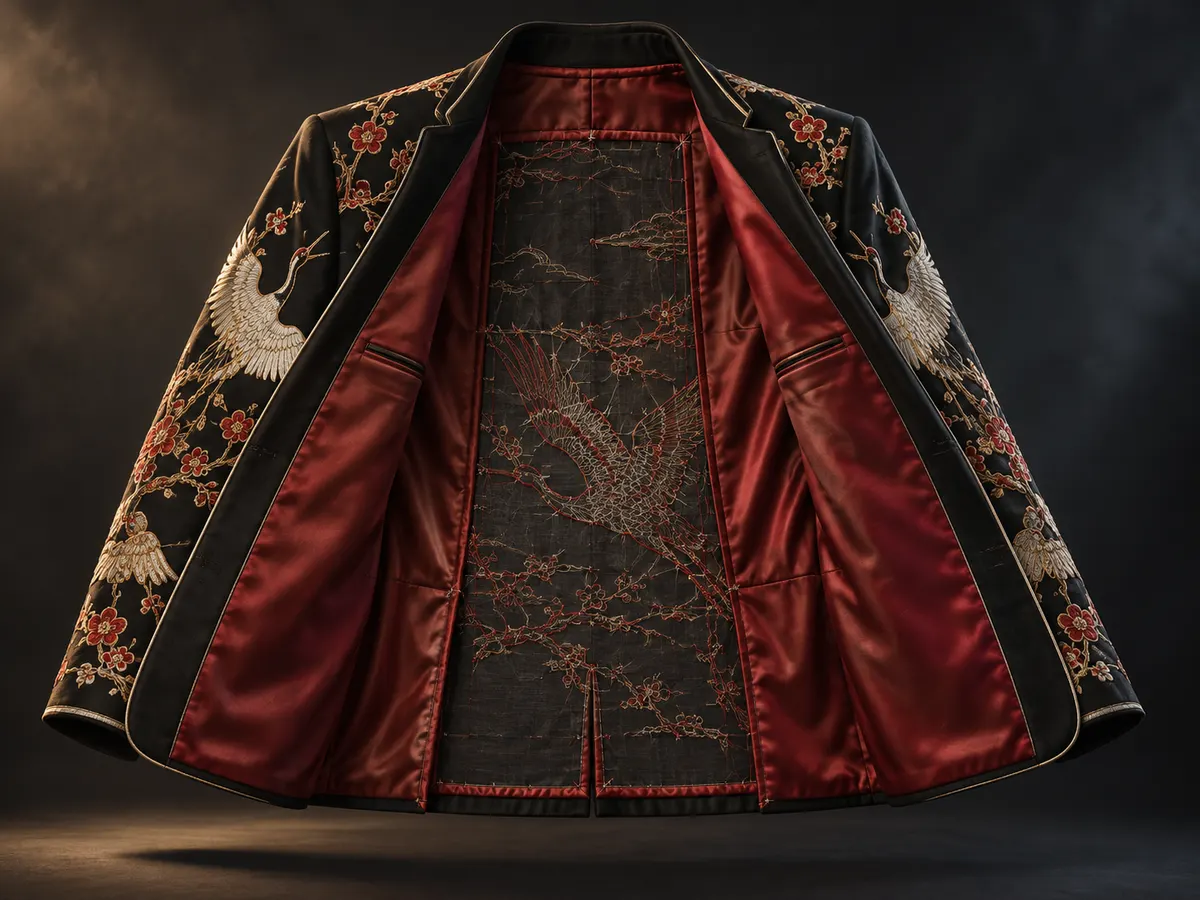
The construction details of a sukajan, particularly the rib, lining, and seams, can provide crucial insights into its age. Vintage pieces from the 1940s and 1950s often have thick, tightly-knitted ribbing at the cuffs and hem, which adds durability and a classic look. The ribbing on modern reproductions is usually thinner and less robust, reflecting changes in manufacturing techniques over time.
The lining of the jacket is another important indicator. Vintage pieces typically feature high-quality silk or rayon linings, which are smooth to the touch and have a luxurious feel. Modern reproductions often use synthetic materials like polyester, which are more cost-effective but lack the same level of quality and comfort. The type of lining can help you identify whether a jacket is vintage or a modern replica.
Seam construction is also a key differentiator. Vintage sukajans are often hand-stitched, with visible, meticulous stitching that reflects the craftsmanship of the time. The seams are strong and durable, with a level of detail that is less common in modern mass-produced garments. Modern reproductions, while still well-made, typically use machine stitching, which is more uniform but can lack the character and uniqueness of hand-stitching.
Embroidery method as a dating clue
The embroidery method is a critical clue in determining the age of a sukajan. Vintage jackets from the 1940s and 1950s often feature hand-embroidered designs, which can be identified by their irregular stitches and slight variations in color and pattern. These imperfections add to the charm and authenticity of the piece, making them highly sought after by collectors.
Machine embroidery became more common as production scaled up after the earliest period, resulting in more consistent and precise stitching. However, early machine-embroidered jackets still show some hand-finished details, particularly around the edges and in intricate motifs. This blend of hand and machine work can help place a jacket in this transitional period.
Modern jackets, produced from the 1980s onwards, are almost entirely machine-embroidered, with highly uniform and flawless stitching. The embroidery is often more detailed and vibrant, thanks to advancements in technology. This precision can be a clear indicator of a more recent production, making it easier to distinguish from vintage pieces.
Labels, sizing tags, and what they do not prove
Labels and sizing tags can provide valuable information, but they are not always definitive proof of a jacket's age. Vintage labels often feature simple, straightforward designs with minimal text, sometimes including the brand name and country of origin. However, these labels can be replicated, so they should not be the sole factor in determining authenticity.
Reproduction and modern labels can closely mimic vintage styles, making it essential to consider other factors like the embroidery method and construction. Additionally, sizing tags can vary widely, as standard sizes have evolved over the decades. A modern size tag on an otherwise vintage jacket could indicate a re-sizing or restoration.
Labels can also be removed or altered, so their presence or absence should be taken with a grain of salt. Always combine label information with other physical clues to get a more accurate picture of a jacket's provenance.
Deciding which era is right for you
Choosing the right era of a sukajan ultimately depends on your personal preferences and intended use. Vintage jackets offer a unique piece of history and unmatched craftsmanship, making them ideal for collectors and those who appreciate the artistry of hand-embroidered designs. However, they can be expensive and require careful maintenance.
Reproduction jackets strike a balance between authenticity and affordability. They capture the aesthetic and style of vintage pieces while being more durable and accessible. These jackets are perfect for those who want the look of a vintage piece without the high cost or the need for special care.
Modern jackets, with their advanced embroidery techniques and vibrant designs, are great for everyday wear. They offer a contemporary take on traditional motifs and are often more versatile in terms of styling. Whether you're looking for a statement piece or a casual addition to your wardrobe, explore what authenticity means on these jackets.
Frequently Asked Questions
What is a Japanese souvenir jacket?
A Japanese souvenir jacket, or sukajan, is a type of bomber jacket with intricate embroidery featuring traditional Japanese motifs such as dragons, koi, tigers, and cranes. These jackets gained popularity among American GIs during World War II and have since become iconic pieces of fashion. They are often made with high-quality materials and detailed craftsmanship, making them sought-after collectibles and fashion statements.
How can you tell if a souvenir jacket is vintage?
To identify a vintage a sukajan, examine the zipper hardware, rib construction, lining seams, embroidery method, and label style. Vintage jackets typically feature metal zippers, thick ribbed cuffs and hems, and hand-stitched embroidery. The lining seams are often bound, and labels may be sewn in Japanese script. These details help distinguish authentic vintage pieces from reproductions and modern versions.
Why are vintage souvenir jackets so expensive?
Vintage these jacketss are expensive due to their historical significance, rarity, and high-quality craftsmanship. Each piece is a unique artifact from a specific era, often hand-embroidered with intricate designs. The materials and labor involved in their creation contribute to their value, and their popularity among collectors and fashion enthusiasts further drives up prices. Authentic vintage jackets are considered valuable investments in both fashion and cultural history.
Are reproduction souvenir jackets worth buying?
Reproduction the jackets can be a worthwhile purchase, especially if you appreciate the iconic design without the vintage price tag. These jackets often use modern materials and techniques, making them more durable and affordable. However, if authenticity is crucial, vintage jackets offer unique historical value and craftsmanship. Consider your budget and the jacket's intended use to make an informed decision.
How do you style a Japanese souvenir jacket?
a souvenir pieces are versatile and can be styled in various ways. Pair them with casual jeans and sneakers for a relaxed look, or dress them up with tailored trousers and a button-down shirt for a more polished ensemble. The bold embroidery works well with neutral colors, allowing the jacket to stand out. Layer it over a simple T-shirt for a classic, effortless style.
Conclusion
When shopping for one of these jackets, whether vintage or reproduction, understanding the physical differences helps you make an informed choice. Each type offers unique benefits, from historical authenticity to modern affordability. Style your jacket to complement your personal aesthetic, and it will become a standout piece in your wardrobe.


