


The Japanese bomber jacket, or sukajan, stands out from its American MA-1 counterpart with distinct design elements and cultural significance. Originating as a souvenir for American GIs in post-war Japan, these jackets feature intricate embroidery and unique construction. Learn how a sukajan differs from a plain bomber to make an informed purchase.
Key Takeaways
- Construction: Japanese bomber jackets often use heavier, more durable materials for the shell compared to the lighter MA-1.
- Embroidery: Intricate motifs like dragons, koi, and tigers are hallmarks of genuine sukajan jackets.
- Lining: Traditional Japanese bombers feature elaborate, fully-lined interiors, unlike the simpler linings in MA-1 jackets.
- Closure: Japanese bombers may have unique closures, such as hidden snaps or buttons, while MA-1s typically use a front zipper.
- Ribbing: The ribbed cuffs and hem in Japanese bombers are often more elastic and tighter, enhancing the fit and durability.
What people actually mean by a Japanese bomber jacket
When someone mentions a Japanese bomber jacket, they could be referring to one of three distinct styles: the traditional MA-1, the Yokosuka souvenir jacket, or a modern Japanese-designed bomber. Each has its own unique history and design elements. Understanding these differences is crucial for anyone looking to invest in a high-quality piece of apparel.
The MA-1 is a classic military jacket known for its functional design and durability. It was originally developed for pilots and is characterized by its nylon shell, ribbed cuffs, and waistband. In contrast, the Yokosuka souvenir jacket, or sukajan, originated as a form of artistic expression by Japanese artisans. These jackets are often adorned with intricate embroidery and vibrant motifs, such as dragons, tigers, and koi fish.
Modern Japanese-designed bombers blend elements from both the MA-1 and sukajan, creating a unique hybrid. These jackets often feature high-quality fabrics, detailed embroidery, and a more contemporary silhouette. They are favored for their blend of tradition and modern style, making them a versatile addition to any wardrobe. Additionally, these modern designs often incorporate innovative materials and techniques, ensuring both durability and aesthetic appeal.
The MA-1 pattern and where Japan diverged from it
The MA-1 bomber jacket, a staple of military apparel, has a distinct design that prioritizes functionality and durability. Its nylon shell, ribbed cuffs, and waistband are designed to withstand harsh conditions. However, the Japanese interpretation diverged significantly, incorporating elements of traditional Japanese culture and craftsmanship. This divergence is most evident in the Yokosuka souvenir jacket, which emerged as a form of artistic expression.
The sukajan, or Yokosuka souvenir jacket, is known for its elaborate embroidery and vibrant colors. These jackets often feature traditional motifs such as dragons, koi, and tigers, making them a unique piece of wearable art that contrasts with the MA-1 pattern it descends from.
Modern Japanese-designed bombers often combine the best of both worlds. They retain the functional elements of the MA-1 while incorporating the artistic and cultural elements of the sukajan. This fusion results in jackets that are both practical and visually striking, appealing to a wide range of fashion enthusiasts. The blend of functionality and artistry in these modern designs makes them a popular choice for those seeking a unique and high-quality garment.
Shell fabrics and why satin behaves differently from nylon
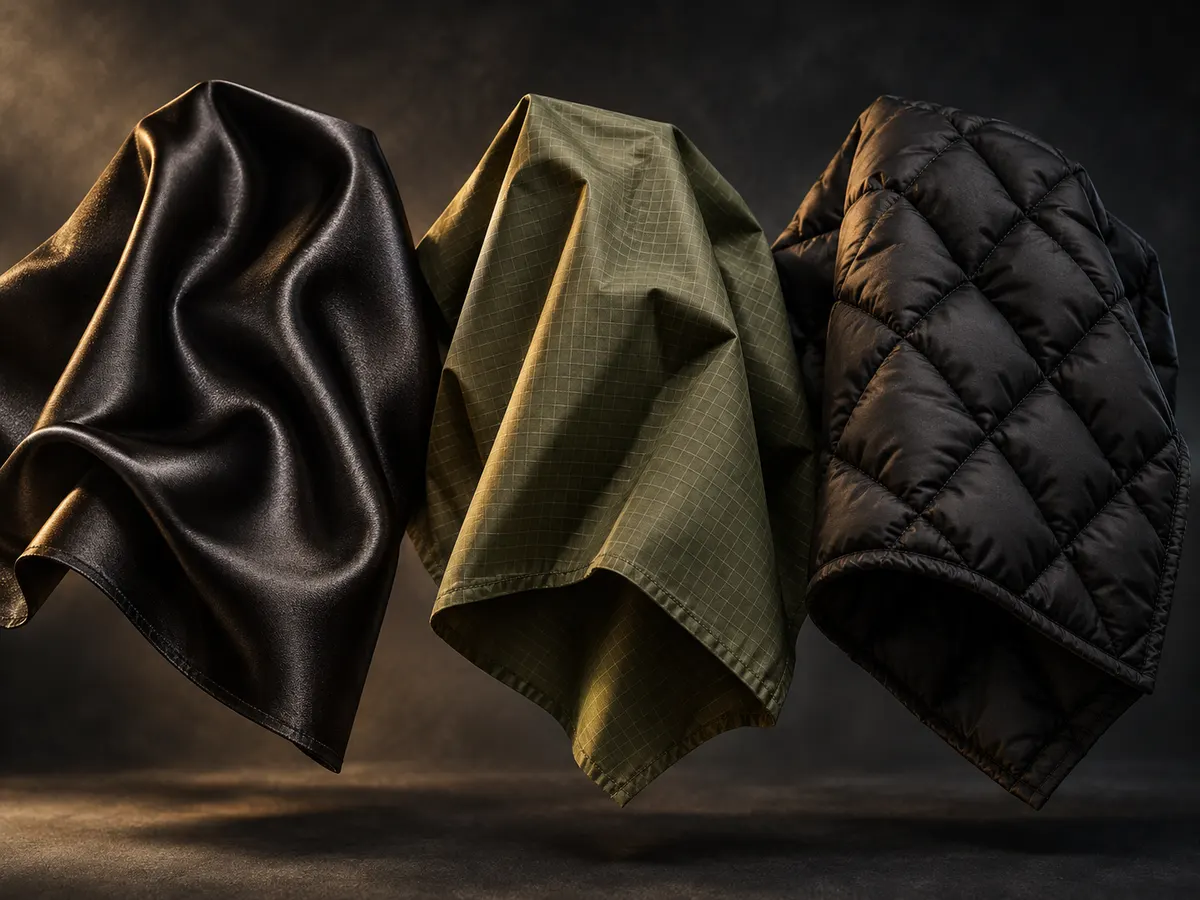
The shell fabric of these jackets plays a crucial role in its overall look and feel. Satin, a popular choice for sukajan, has a smooth, lustrous surface that gives the jacket a luxurious appearance. This fabric drapes beautifully and is often associated with high-end, traditional designs. The smooth texture and sheen of satin make it ideal for intricate embroidery, allowing the vibrant motifs to stand out.
Nylon, on the other hand, is the primary material used in the construction of MA-1 jackets. Known for its durability and resistance to wear and tear, nylon is a practical choice for military and functional designs. It is lighter and more breathable than satin, making it suitable for everyday wear and outdoor activities. The matte finish of nylon also gives the MA-1 a more understated, utilitarian look.
When choosing this style, the shell fabric can significantly impact the jacket's appearance and performance. Satin is ideal for those who value aesthetics and cultural significance, while nylon is better suited for those who prioritize functionality and durability. Sizing a Japanese cut correctly can also ensure a perfect fit.
Ribbing, lining, and the details that signal quality
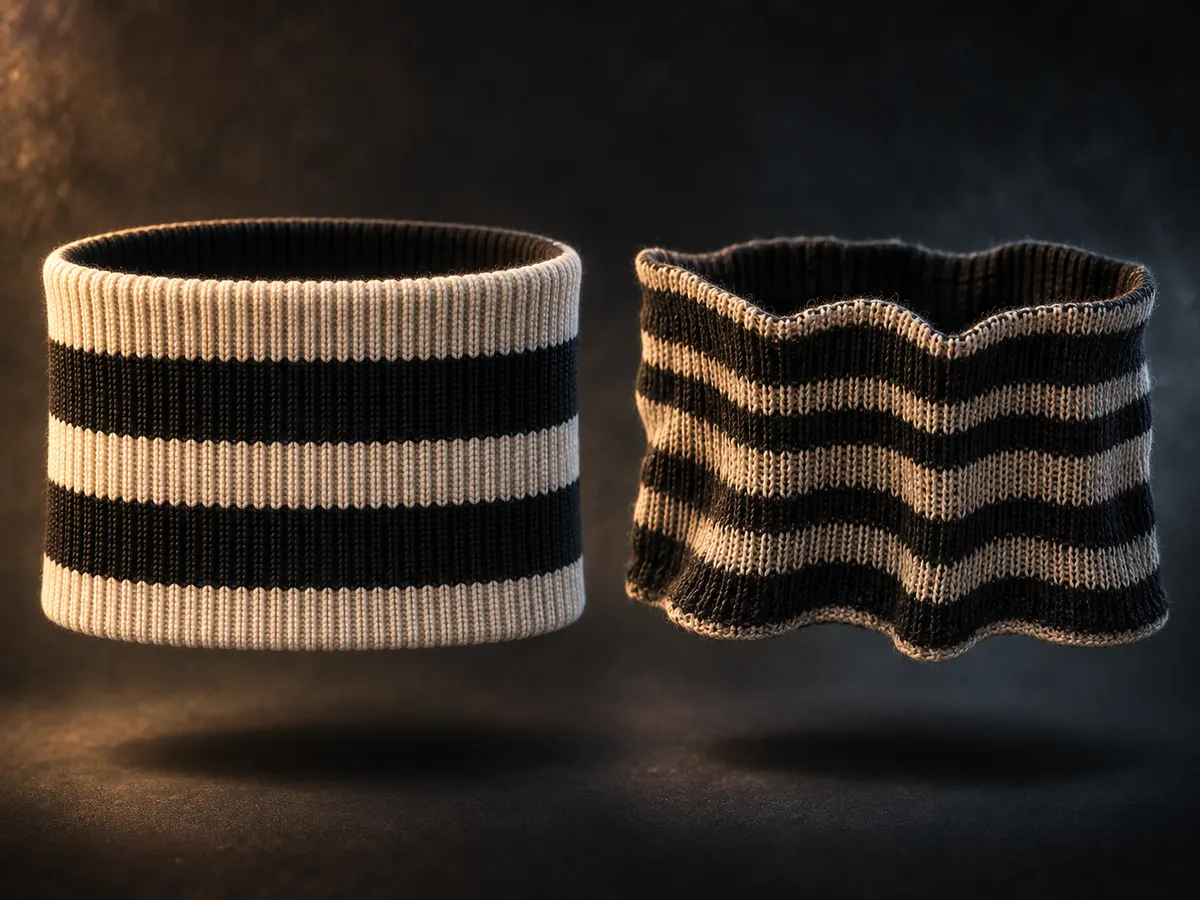
When examining a a Japanese bomber, the ribbing at the cuffs and hem is a key indicator of quality. Authentic pieces often feature ribbing that is tightly knit and durable, ensuring a snug fit and long-lasting wear. This attention to detail is a hallmark of craftsmanship and can distinguish a high-end piece from a mass-produced imitation.
The lining of the jacket is another critical element. Japanese bombers often use luxurious materials like silk or high-quality polyester, which not only feel comfortable against the skin but also add a touch of elegance. A well-lined jacket will maintain its shape and warmth, making it a versatile piece for various weather conditions.
Finally, the stitching and finishing details are crucial. Look for reinforced seams and clean, even stitches. These features not only enhance the durability of the jacket but also reflect the meticulous care taken during the manufacturing process. A well-executed these jackets will stand the test of time and continue to look great with regular wear. Additionally, the quality of the buttons and zippers can also indicate the overall quality of the jacket, as these components are subject to frequent use and stress.
How the fit differs from a western bomber
The fit of the Japanese cut is often more tailored and slim compared to its Western counterpart. This is due to the influence of traditional Japanese clothing, which emphasizes a sleek and streamlined silhouette. The cut is designed to hug the body without being overly tight, providing a flattering and modern look that is ideal for a variety of body types.
Additionally, the shoulder and sleeve construction is typically more refined. Japanese designers often pay extra attention to the fit of the shoulders and sleeves, ensuring that they sit naturally and do not bunch or pull. This attention to detail results in a more comfortable and aesthetically pleasing garment.
The length of the jacket is another distinguishing factor. Japanese bombers tend to be slightly shorter, which can create a more balanced and proportionate look when paired with jeans or trousers. This shorter length also makes the jacket more versatile, allowing it to be layered over different outfits without overwhelming the overall silhouette. The tailored fit and shorter length contribute to a more polished and modern appearance.
Choosing between a souvenir jacket and a plain bomber
When deciding between a souvenir jacket and a plain bomber, consider the level of detail and personalization you desire. Souvenir jackets, often known as sukajan, are renowned for their intricate and vibrant embroidery. These jackets are not just clothing but also works of art, often featuring motifs like dragons, koi, and tigers. The embroidery can be a conversation starter and a unique way to express your style.
On the other hand, a plain a bomber from Japan offers a more understated and versatile look. These jackets are perfect for those who prefer a cleaner, more minimalist aesthetic. They can be easily paired with a variety of outfits and are suitable for both casual and semi-formal occasions. The simplicity of a plain bomber allows it to blend seamlessly into any wardrobe.
Ultimately, the choice depends on your personal taste and how you plan to use the jacket. If you are looking for a statement piece with a rich cultural heritage, a souvenir jacket is the way to go. For a more versatile and timeless option, a plain the style is an excellent choice. Both options offer unique benefits and can elevate your style in different ways.
Frequently Asked Questions
What is a Japanese bomber jacket?
A Japanese bomber jacket, or sukajan, is a type of bomber jacket featuring distinct Japanese cultural motifs and embroidery. Originating as souvenir jackets for American GIs in Japan, these jackets are known for their vibrant designs and high-quality craftsmanship, blending military style with Japanese artistry. They are a distinctive way to carry traditional Japanese motifs in modern clothing.
What is the difference between a sukajan and a bomber jacket?
The primary difference between a sukajan and a traditional bomber jacket lies in their design and cultural significance. A sukajan is a Japanese souvenir jacket known for its elaborate embroidery and motifs, while a bomber jacket typically follows the military MA-1 pattern with a simpler, functional design. Sukajans are more ornate and culturally significant, often made with silk or high-quality fabric and detailed hand-stitching.
Why are Japanese bomber jackets more expensive?
this styles are more expensive due to their intricate embroidery, high-quality materials, and cultural significance. Each jacket is often hand-stitched with detailed designs, which is a time-consuming and skilled process. The use of premium fabrics like silk and the attention to craftsmanship contribute to the higher cost. Additionally, the unique cultural and historical value of these jackets adds to their premium price point.
Are Japanese bomber jackets true to size?
a Japanese bombers, including sukajan styles, generally follow standard sizing charts, but fit can vary by brand and style. Always check the specific size guide provided by the manufacturer. Traditional sukajan jackets may have a slightly looser fit compared to modern, more fitted designs. Measuring yourself and comparing to the jacket's measurements ensures the best fit.
What do you wear with a Japanese bomber jacket?
A Japanese bomber jacket pairs well with a variety of outfits. For a classic look, wear it over a simple T-shirt and jeans. Layer it over a button-down shirt and chinos for a more polished ensemble. In colder weather, add a sweater or thermal shirt underneath. Accessorize with boots or sneakers to complete the look. The jacket's versatility makes it suitable for both casual and semi-formal occasions.
Conclusion
When shopping for a Japanese bomber, pay attention to the fit and style to ensure it meets your preferences. Whether you choose a traditional sukajan or a modern design, this versatile piece can elevate any casual or semi-formal outfit.


