


Custom embroidery cost can vary widely, but understanding the factors that drive the price can help you make informed decisions. From digitizing and stitch count to thread changes and garment selection, each element plays a crucial role in the final invoice. By breaking down these components, you can better audit a quote and ensure you're getting a fair deal. For a detailed comparison of printing compared with stitched work, check out our guide.
Key Takeaways
- Custom Embroidery Cost: The total price is influenced by digitizing, stitch count, thread changes, and the type of garment.
- Stitch Count: More stitches generally mean higher costs, as they require more time and materials.
- Thread Changes: Each thread change adds to the cost, especially for complex designs with multiple colors.
- Garment Selection: Premium fabrics and more durable items often come with higher base prices.
- Minimum Orders: Many embroidery services have minimum order requirements, which can affect the overall cost.
The short answer on what embroidery costs
When considering custom embroidery cost, the average price can vary widely depending on several factors. A simple design on a cap might start around $4, while a complex logo on a jacket can exceed $30. The key drivers include stitch count, thread changes, and the type of garment. Understanding these elements helps in budgeting accurately and comparing quotes effectively.
For a basic logo or design, the cost typically ranges from $3 to $10. This price covers the embroidery itself, but additional fees may apply for digitizing, setup, and minimum order quantities. The stitch count is the primary factor, but the complexity and number of thread changes also play a significant role.
To get a more precise estimate, it's essential to consider the number of stitches, the number of colors, and the type of fabric. A higher stitch count and more color changes will naturally increase the cost. Bulk orders can reduce the per-unit price, making it a cost-effective option for larger quantities.
Why stitch count, not size, sets the price
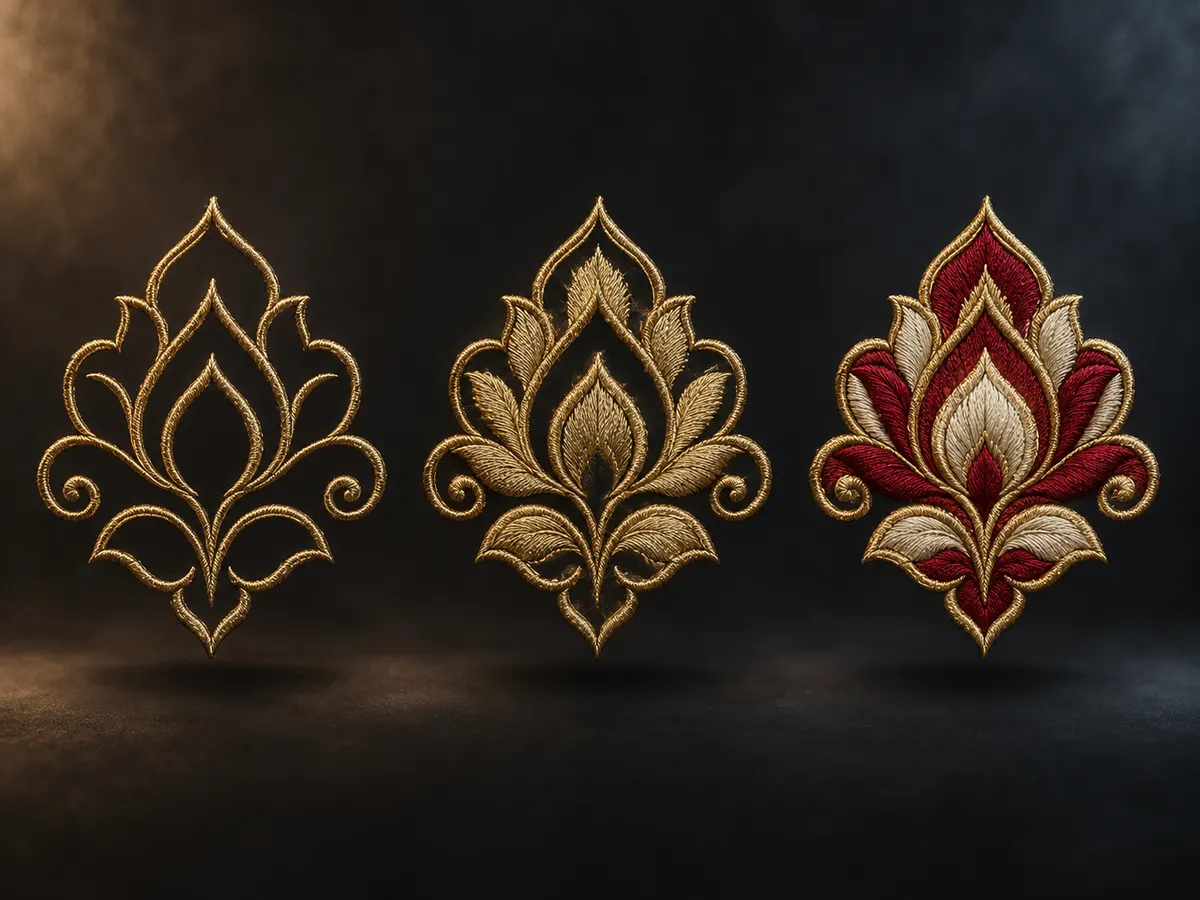
Embroidery pricing is primarily determined by the number of stitches, not the size of the design. A small, intricate logo with many stitches can cost more than a larger, simpler design. Each stitch is a physical action, and more stitches mean more time and materials. This is why a detailed dragon or phoenix design will be more expensive than a simple text logo.
The stitch count also affects the durability and appearance of the embroidery. More stitches can create a richer, more detailed look, which is why high-quality planning a custom stitching project often have a higher stitch count. This attention to detail is what sets custom embroidery apart from other decoration methods like screen printing.
Understanding the stitch count helps in budgeting. A typical logo might require 5,000 to 8,000 stitches, while a more intricate design could run 15,000 to 25,000 stitches. Knowing this range can help you anticipate costs and make informed decisions about design complexity.
The one-time digitizing fee explained
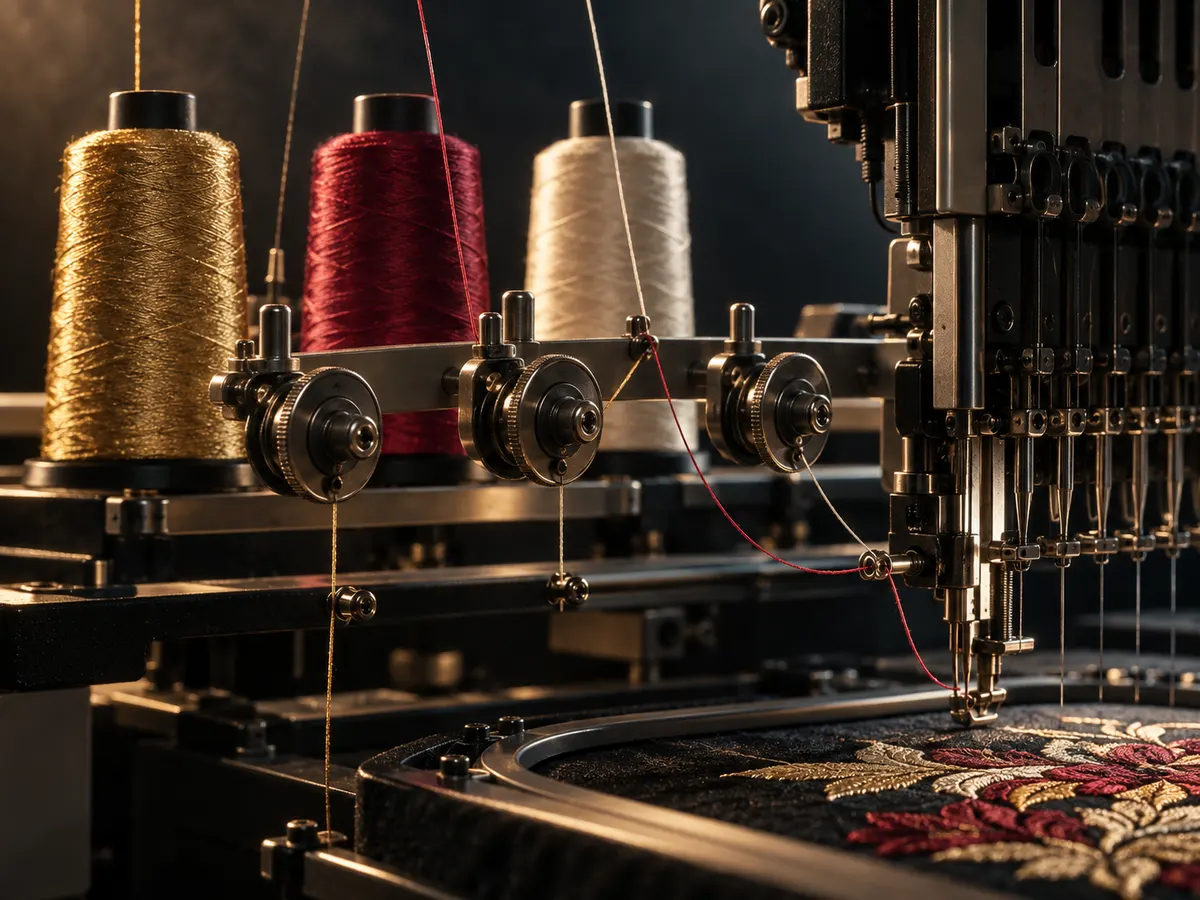
Digitizing is the process of converting a design into a digital format that embroidery machines can read. This step is crucial and often comes with a one-time fee. The cost of digitizing can range from $20 to $60, depending on the complexity of the design, and it is charged once then reused on every later order of the same design. This fee covers the expertise of a professional digitizer who ensures that the design translates well into embroidery.
The digitizing fee is a non-recurring cost, meaning you only pay it once per design. Once the design is digitized, it can be used for multiple embroidery projects, making it a worthwhile investment for frequent users. This fee also includes any necessary adjustments to ensure the design looks perfect on the chosen fabric.
Understanding the digitizing fee helps in planning your budget. If you have multiple designs, consider the long-term benefits of paying the digitizing fee upfront. For businesses or individuals with consistent embroidery needs, this initial investment can lead to significant savings in the long run. Custom hoodie ordering can provide more detailed insights into the value of digitizing.
How garment choice changes the total
The type of garment you choose can significantly impact your overall the cost of custom stitching. For instance, a lightweight cotton t-shirt typically requires less time and fewer stitches than a heavy wool jacket, making it a more budget-friendly option. Additionally, certain fabrics may require special stabilizers to ensure the embroidery holds up, which can add to the cost.
Hats, such as baseball caps, come with their own set of considerations. The curvature of the crown can make embroidery more complex, often resulting in higher labor and material costs. Caps often require more precise placement and may need additional backing to maintain the design's integrity.
Embroidered patches, a popular choice for customization, offer a versatile and cost-effective solution. Patches can be sewn onto various garments, reducing the direct embroidery cost on each item. This method is particularly useful for creating uniform looks or adding logos to multiple items without the need for individual stitching.
Minimums, setup, and why small orders cost more per piece
Small orders often come with higher per-piece costs due to the setup and minimum order requirements. Embroidery machines need to be set up for each job, which includes loading the design, threading the machine, and preparing the garment. These initial steps are time-consuming and add to the overall cost, making small runs less economical.
To mitigate the setup costs, many embroidery services impose minimum order quantities. This ensures that the time and resources invested in setup are spread across a larger number of items, reducing the per-piece cost. Understanding these minimums can help you plan your order size more effectively. planning a custom stitching project
Bulk orders are generally more cost-effective because they distribute the setup and digitizing fees over a larger number of pieces. This reduces the per-unit cost and can lead to significant savings, especially for businesses or organizations looking to create custom apparel for a team or event.
Reading a quote and spotting a bad one
When reviewing an embroidery quote, it's crucial to break down the costs line by line. Look for transparency in the breakdown of stitch count, thread changes, and any additional fees for setup or digitizing. A detailed quote allows you to understand exactly what you're paying for and helps you compare different vendors fairly.
Watch out for hidden fees or vague descriptions in the quote. For example, some providers might list a general "handling fee" without specifying what it covers. Clarify any ambiguous charges to avoid surprises later. Additionally, ensure that the stitch count is reasonable for your design; an excessively high count could indicate inefficiency or unnecessary complexity.
A good quote will also include information about the quality of materials used, such as thread and stabilizers. Inferior materials can lead to poor durability and appearance, so it's worth paying a bit more for higher-quality components. Always ask for samples if you're unsure about the quality of the materials. custom hoodie ordering
Frequently Asked Questions
How much does custom embroidery cost per item?
Custom stitch pricing varies based on design complexity, stitch count, and garment type. A simple design on a basic garment might start around $3 to $10 per piece. More intricate designs or premium fabrics can increase the cost. Understanding the stitch count and material used can help you estimate the final price more accurately.
What is a digitizing fee in embroidery?
A digitizing fee covers the process of converting a design into a digital file that embroidery machines can read. This fee typically ranges from $20 to $60, depending on the complexity of the design. Digitizing is a crucial step, as it ensures the embroidery machine can accurately reproduce your design, affecting the final look and quality of the embroidered item.
Why is embroidery more expensive than screen printing?
Embroidery is generally more expensive than screen printing due to the detailed and labor-intensive process involved. Each stitch is precisely placed, requiring specialized equipment and skilled labor. Additionally, embroidery adds a three-dimensional texture and durability that screen printing cannot match. The higher cost reflects the craftsmanship and longevity of the finished product.
How many stitches does a typical chest logo take?
A typical chest logo runs about 5,000 to 8,000 stitches, while a full back design runs 15,000 to 25,000. Smaller, simpler logos will have fewer stitches, while larger, more detailed designs will have more. The stitch count directly affects the embroidery cost, as more stitches require more time and materials to complete.
Does ordering more pieces lower the embroidery cost?
Yes, ordering more pieces can lower the embroidery cost per item. Bulk orders often come with discounts, as the setup and digitizing costs are spread over a larger number of pieces. This can significantly reduce the per-item cost, making it more economical for larger orders. Always check with your embroidery provider for bulk pricing options.
Conclusion
Understanding the factors that drive what this work costs, such as stitch count, digitizing fees, and material choices, empowers you to make informed decisions. By breaking down the invoice, you can better audit quotes and ensure you get the best value for your custom embroidery projects.


